Understanding the Developmental Stages That Lead to Independent Sitting
Most babies learn to sit independently between 6 and 9 months, and you can meaningfully speed that journey with daily tummy time, targeted play positions, and the right amount of supported practice.

In this article
Picture this: you prop your five-month-old on the playmat, let go for half a second, and — topple. Every parent knows that moment. It is equal parts adorable and quietly anxiety-inducing, especially when the mum in your parent group swears her baby was sitting solo at five months. Here is the reassuring reality: according to the World Health Organization's Multicentre Growth Reference Study — which tracked more than 800 children across six countries — the median age for sitting without support is just under 6 months, but the normal range stretches from 4 to 9 months. That is a four-month window, and almost every healthy baby lands somewhere inside it.
This article will walk you through exactly what is happening in your baby's body, what you can do each day to help, and how to know when to ask for extra support.
By the end, you'll understand:
1. Understanding the Developmental Stages That Lead to Independent Sitting
Independent sitting does not happen in a single leap — it unfolds across four distinct stages, each one building on the last. Knowing where your baby is right now tells you exactly what to work on next.
Stage 1: Head Control (0–4 months)
Before a baby can sit, they must control their head. The deep neck flexors and cervical extensors — the tiny muscles running up either side of the spine — have to fire reliably before any upright posture is possible. You will see this emerging when your baby starts holding their head steady during tummy time or when you pull them gently to sitting and their head no longer lags behind their body.
Stage 2: Supported Sitting (4–6 months)
Around four months, most babies can sit when propped by your hands or a firm surface, though they still topple without help. Their trunk muscles — particularly the deep core stabilisers and the spinal erectors — are beginning to activate, but they fatigue quickly.
Stage 3: Tripod Sitting (5–7 months)
This is the "hands-on-the-floor" phase. Your baby leans forward, plants both palms between their legs, and uses their arms as a third point of contact. It looks a little like a tiny, very serious yoga pose. Tripod sitting is a huge deal neurologically: it means the brain is now integrating balance signals from the inner ear, vision, and body-position sensors simultaneously.
Stage 4: Independent Sitting (6–9 months)
Finally, the hands come off the floor. Your baby can hold an upright posture, turn to look at something, and reach for a toy — all at the same time. The American Academy of Pediatrics (AAP) lists sitting without support as a key 6-month milestone, while acknowledging that some babies reach it closer to 9 months and remain completely on track.
Signs your baby is progressing normally:
Your action today: Gently pull your baby from lying to sitting by their forearms (not their hands) and watch whether their head lags behind. If it stays in line with their body, their neck muscles are ready for more upright practice.
2. Tummy Time: The Single Most Important Exercise for Building Sitting Strength
Tummy time is the engine that powers independent sitting. It is not optional, and it is not just about preventing flat spots on the back of the head — it is the primary way babies build the entire posterior chain of muscles they need to sit upright.
The AAP recommends beginning tummy time from the very first day home from the hospital, working up to a total of 30 minutes spread across the day by the time your baby is 3 months old. Research published in Pediatric Physical Therapy (2008, Kuo et al.) found a direct correlation between tummy time duration in early infancy and earlier attainment of both rolling and sitting milestones.
Tummy time is essential for strengthening the muscles in the neck, shoulders, and trunk that babies need to meet important motor milestones.
— American Academy of Pediatrics, HealthyChildren.org
How to Make Tummy Time Work When Your Baby Hates It
Many babies protest tummy time loudly, especially in the first two months. Here are positions that make it more tolerable:
- Chest-to-chest: Recline slightly and lay your baby tummy-down on your chest. Your heartbeat and smell are calming, and the slight incline makes it easier to lift their head. - Football hold: Carry your baby face-down along your forearm, their head near your elbow. This builds the same muscles as floor tummy time. - Rolled towel under the chest: A small rolled towel or receiving blanket placed under the chest reduces the effort needed to lift the head, making early tummy time less frustrating. - Eye-level engagement: Get down on the floor and make eye contact. Babies are wired to look at faces, and your face is the best tummy-time toy ever made.
Progressing Tummy Time as Your Baby Grows
By 4 months, aim for sessions of 5–10 minutes at a time. By 6 months, your baby should be comfortable spending significant stretches prone, pushing up onto extended arms — a position called "high prop" that directly mimics the upper-body mechanics of sitting.
Your action today: Schedule three tummy-time sessions today — one after each nappy change while your baby is alert. Even two minutes counts. Set a phone timer so you don't rush it.
3. Five Targeted Exercises to Strengthen Your Baby's Sitting Muscles
Beyond tummy time, there are specific movement games you can build into your daily routine that directly train the muscles and balance systems your baby needs to sit independently.
Exercise 1: Supported Lap Sitting (3–5 months)
Sit cross-legged on the floor and place your baby facing outward on your lap, their back against your tummy. Use your hands to provide just enough support at their hips — not their trunk. This teaches them to activate their own core while still feeling secure.
Exercise 2: Supported Sitting on a Firm Surface (4–6 months)
Sit your baby on a firm, flat surface between your legs. Place your hands lightly on their hips rather than their ribs. Hip support encourages the trunk muscles to work; rib support does the work for them. Let your baby sway slightly — controlled wobble is the brain learning balance.
Exercise 3: Reaching in Sitting (5–7 months)
Once your baby can tripod-sit, dangle a toy slightly to one side. Reaching across the midline — the imaginary vertical line down the centre of the body — is one of the most powerful exercises for developing rotational core strength and bilateral brain coordination.
Exercise 4: Side-Lying to Sitting Transitions (5–8 months)
This is a movement pattern that physiotherapists use deliberately. Place your baby on their side, knees slightly bent. Use a toy to encourage them to push up through their bottom arm to reach sitting. This builds the lateral trunk muscles and teaches the nervous system the movement pathway the body uses to get up independently.
Exercise 5: Ball Sitting (5–8 months)
Place your baby in a supported sitting position on a large, partially inflated exercise ball. Hold their hips firmly and gently rock the ball side to side and front to back. The unstable surface fires the deep postural stabilisers far more effectively than a flat floor. Keep sessions short — 2 to 3 minutes — and always maintain a firm grip.
Your action today: Try Exercise 1 during your next awake window. Notice whether your baby activates their trunk when you reduce your hand support — even a half-second of independent balance is a win worth celebrating.


Fisher-Price Portable Baby Chair Sit-Me-Up Floor Seat with Developmental Toys & Machine Washable Seat Pad, Rainbow Showers
- Portable and comfy infant chair that helps your baby sit up
- Supports your baby in an upright position with wide, sturdy base and cushy seat
- Folds compactly for space-saving storage or travel
4. How to Use Supportive Baby Seats Safely and Effectively
Supportive floor seats can play a useful role in your baby's sitting journey — but only when used correctly. The key distinction is this: a seat should supplement active movement practice, not replace it.
What Supportive Seats Are Good For
- Giving your baby a brief upright view of the world while you need your hands free - Providing a safe, contained space for short play sessions - Helping a baby who is close to independent sitting practise the trunk activation patterns they need - Reducing the frustration of constant toppling during the transition to independent sitting
What Supportive Seats Are Not Good For
The AAP and the Canadian Paediatric Society both caution against using any device — bouncy seats, swings, or floor seats — as a substitute for active floor time. Babies who spend most of their awake time in a seat miss the rolling, reaching, and weight-shifting experiences that build sitting strength in the first place. Think of a seat as a tool, not a solution.
Choosing the Right Seat for Your Baby's Stage
For babies 3–6 months who are still building core strength, a low, well-padded floor seat with a wraparound back provides the most appropriate support. The Bright Starts Learn-to-Sit Floor Seat is thoughtfully designed with two height positions — a lower reclined position for younger babies who can hold their head but not yet their trunk, and a more upright position for babies closer to independent sitting. That grow-with-me design means you are not buying two separate products.
For babies who need a portable option that works both as a floor seat and at the table, the Ingenuity Baby Base 2-in-1 converts from a floor seat to a booster chair, which is genuinely useful as your baby moves through the 6-to-12-month window.
If you are looking for a soft, huggable option that is easy to inflate and take anywhere, the Bavbiiy Inflatable Baby Chair and TOSXW Inflatable Baby Seat both offer portable, PVC-based designs with safety guardrails — practical for picnics, travel, or grandparents' houses where you do not have your usual gear.


Bright Starts Learn-to-Sit Baby Floor Seat, 2-Positions Grow with Infant, Portable Baby Chair, Includes Sensory Toys, Unisex, 4-12 Months, Purple Paradise
- Bright Starts Learn-to-Sit 2-Position Floor Seat supports baby as they learn to sit independently; grow-with-m
- 2-in-1 multi-position seat design; younger babies can sit comfortably in the lower position; older babies can
- Plenty of leg room and a padded seat for baby’s comfort; the high seat back offers additional support; seat pa
Seat safety checklist:
Your action today: If you already own a supportive seat, time how long your baby uses it today. If it is more than 30 minutes in a single stretch, build in a floor-time break.
5. The Role of Play Environments in Teaching Your Baby to Sit
The physical environment you create for your baby matters more than most parents realise. A well-designed play space does not just keep your baby safe — it actively invites the movements that build sitting strength.
Floor Space Is Non-Negotiable
Babies need room to move. A thick play mat — at least 60 × 120 cm — gives your baby the safe, cushioned surface they need to roll, prop, topple, and try again without injury. Hard floors without padding discourage the wobbling and falling that are essential parts of balance learning.
Strategic Toy Placement
Where you put toys is a form of physiotherapy. Placing a toy: - Directly in front during tummy time encourages head lifting and arm extension - Slightly to one side during supported sitting encourages lateral weight shift - Just out of reach above during back time encourages reaching and eventual rolling - At sitting height on a low surface encourages a baby to pull to sitting from a side-lying position
The Fisher-Price Sit-Me-Up Floor Seat comes with attached developmental toys positioned exactly at the right height and angle to encourage reaching in a supported sitting posture — a detail that is easy to overlook but genuinely useful.
Mirrors
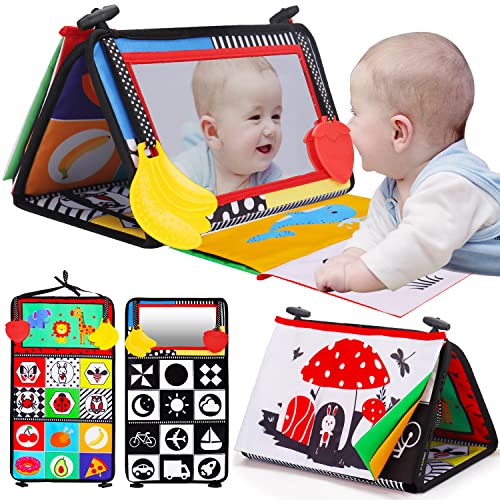
A low, unbreakable mirror propped at tummy-time level is one of the most effective (and cheapest) developmental tools you own. Babies are fascinated by faces, and their own reflection motivates sustained head lifting far longer than most toys.
Limiting Time in Restrictive Equipment
Bouncy seats, swings, and car seats (outside of travel) restrict the free movement babies need for motor development. The AAP's safe sleep guidelines already recommend limiting time in car seats to travel only; the same logic extends to other reclined, restrictive devices during awake time.
Your action today: Rearrange one toy on your baby's play mat to a position that requires them to reach or shift their weight to access it. Watch what happens — you may be surprised how hard they work for something they want.
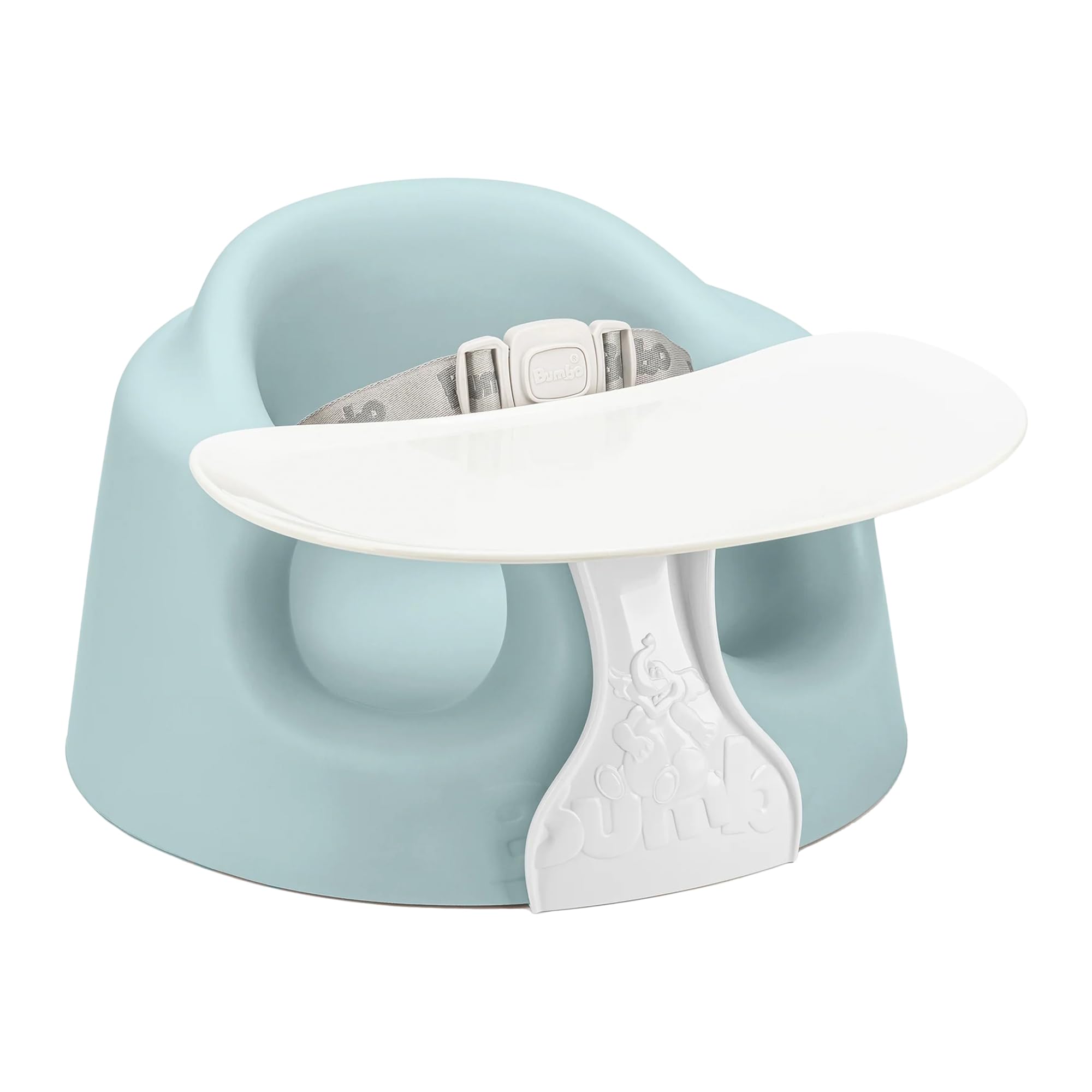
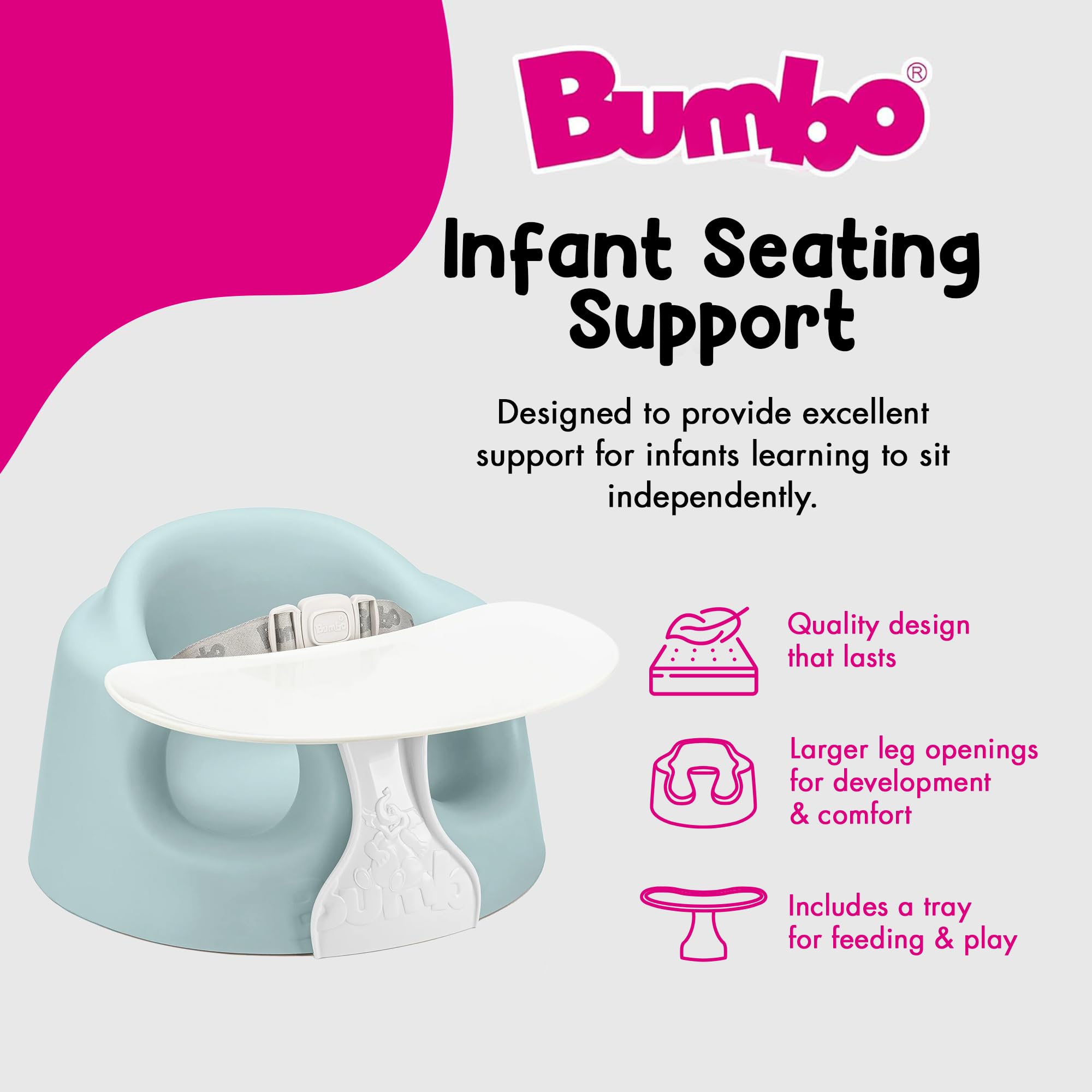
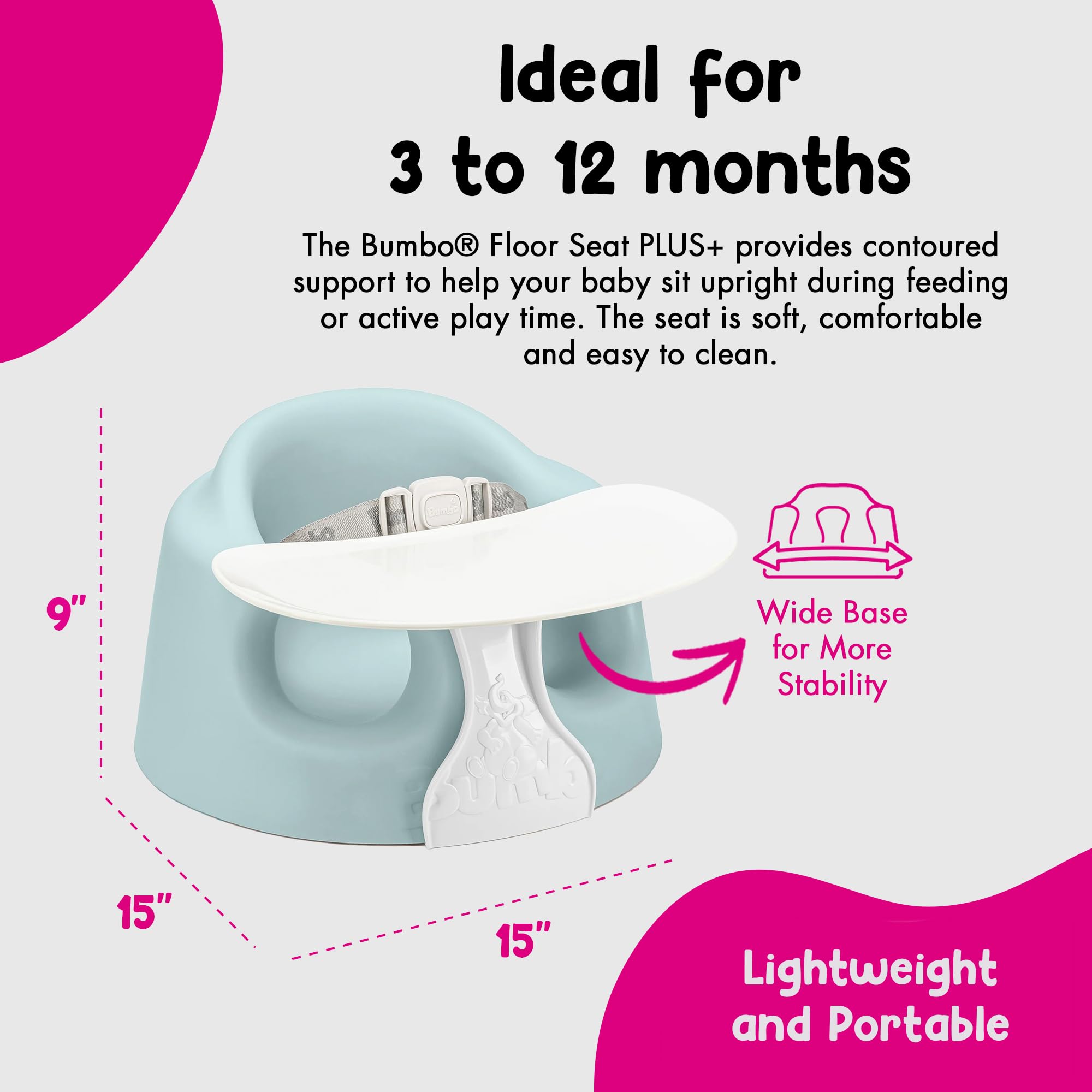
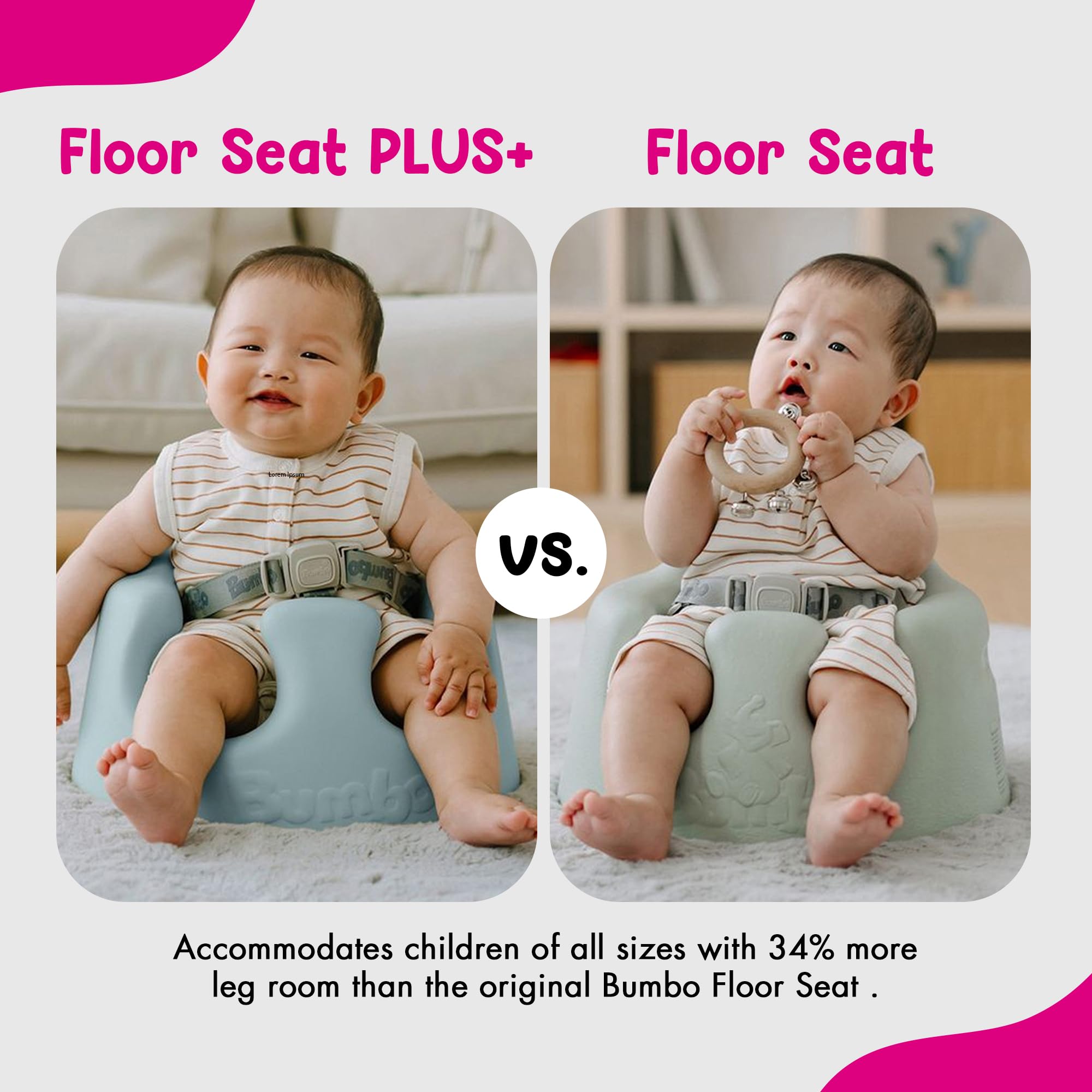
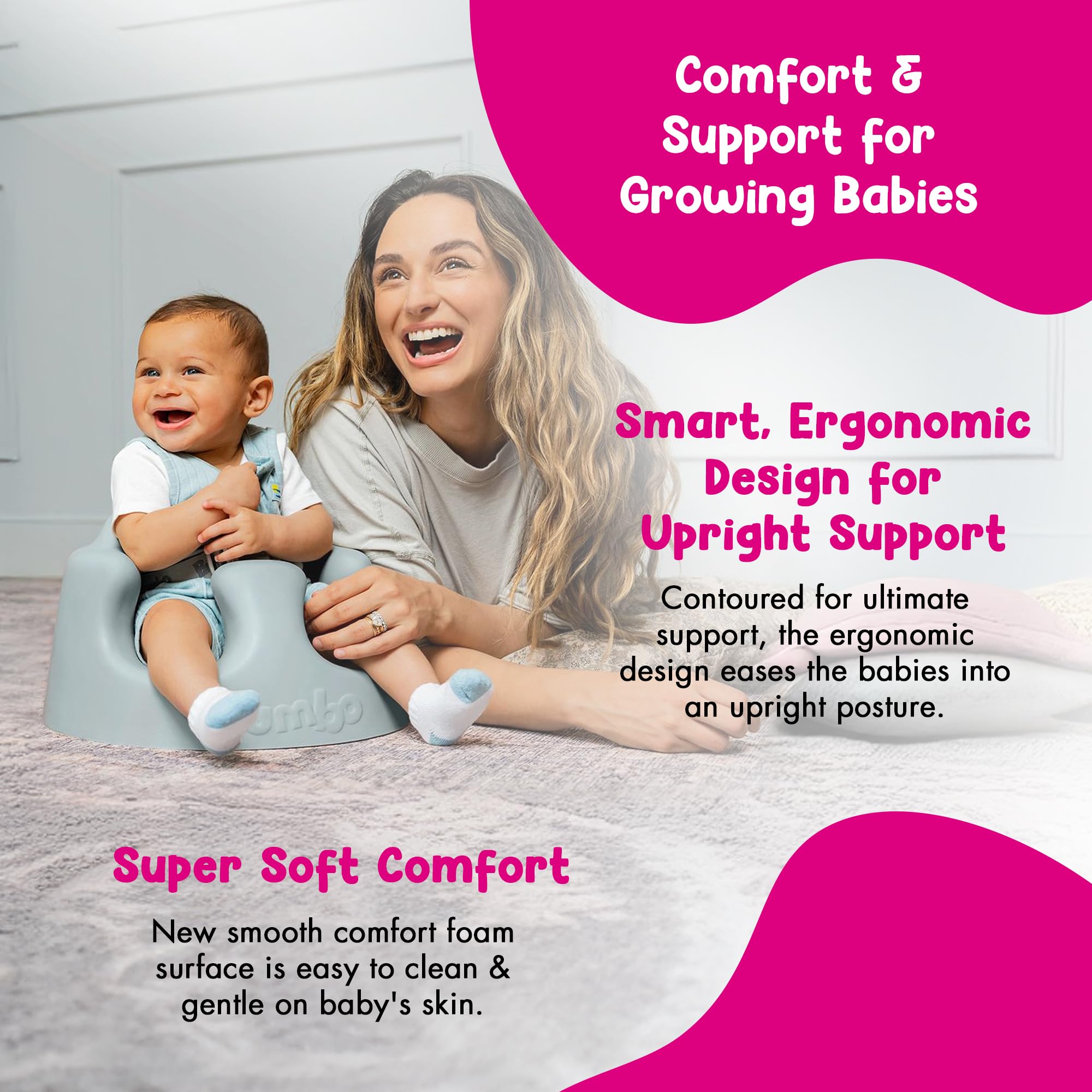
Bumbo Baby Infant Wide Floor Seat PLUS+ for 3 to 12 Months, Portable Feeding and Activity Play Chair with 3 Point Adjustable Harness, Soft Foam Support, and Extra Leg Room, Desert Mirage
- Total Sitting Support: Adjustable wide floor seat is specially designed to cater to the needs of both babies a
- Secure and Supportive Design: Thoughtfully designed with an integrated adjustable safety harness system to hel
- Soft and Luxurious Comfort: Crafted from soft yet supportive foam material, this baby seat provides a cozy pla
6. Red Flags, When to Worry, and How to Seek Help
Most babies follow the sitting timeline comfortably, but knowing the genuine red flags — as distinct from normal variation — gives you the confidence to act quickly when it matters.
Developmental Red Flags to Discuss With Your Paediatrician
The following are not causes for panic, but they are clear signals to make an appointment rather than wait and see:
Developmental surveillance should be performed at every well-child visit, and any loss of previously acquired skills at any age should prompt immediate developmental evaluation.
— American Academy of Pediatrics, Bright Futures Guidelines, 4th Edition
What Happens at a Developmental Assessment
If your paediatrician shares your concern, they will typically refer you to a paediatric physiotherapist, an occupational therapist, or a developmental paediatrician depending on the specific pattern of delay. Early intervention — before 12 months — is significantly more effective than later intervention because the infant brain is at peak neuroplasticity during this window. Do not wait to see if a baby "grows out of it."
Conditions That Can Affect Sitting Development
Several medical conditions can delay sitting, including: - Hypotonia (low muscle tone) — often associated with Down syndrome, but also occurs as an isolated finding - Torticollis — tight neck muscles that restrict head movement and trunk symmetry - Hip dysplasia — can affect the mechanics of sitting and weight-bearing - Developmental coordination disorder — typically identified later, but early motor delays can be a precursor
None of these diagnoses means your child will not sit — they mean your child needs targeted support to get there.
Your action today: If your baby is 7 months or older and not yet tripod-sitting, book a well-child visit this week rather than waiting for the next scheduled one. Early referral is always better than late.
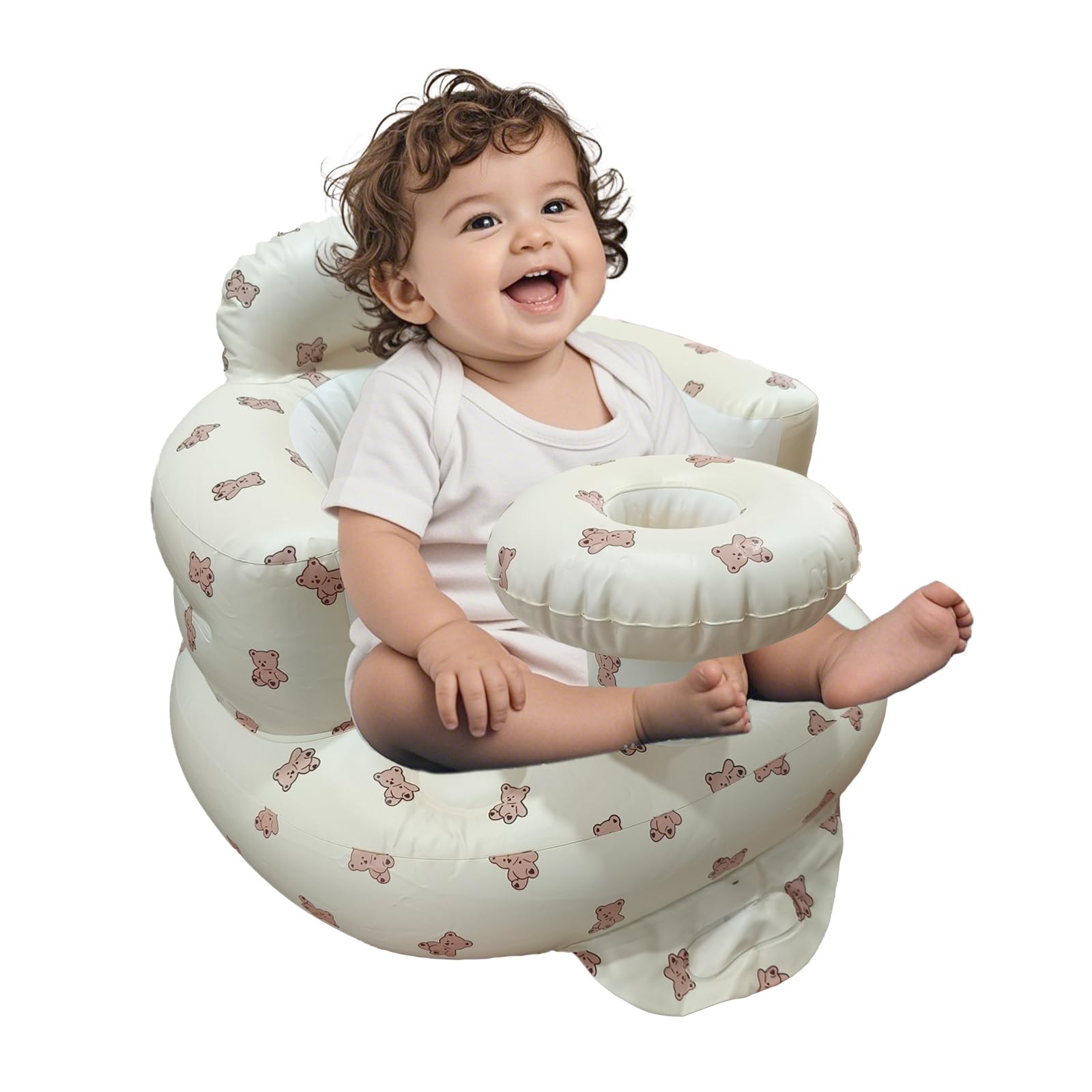
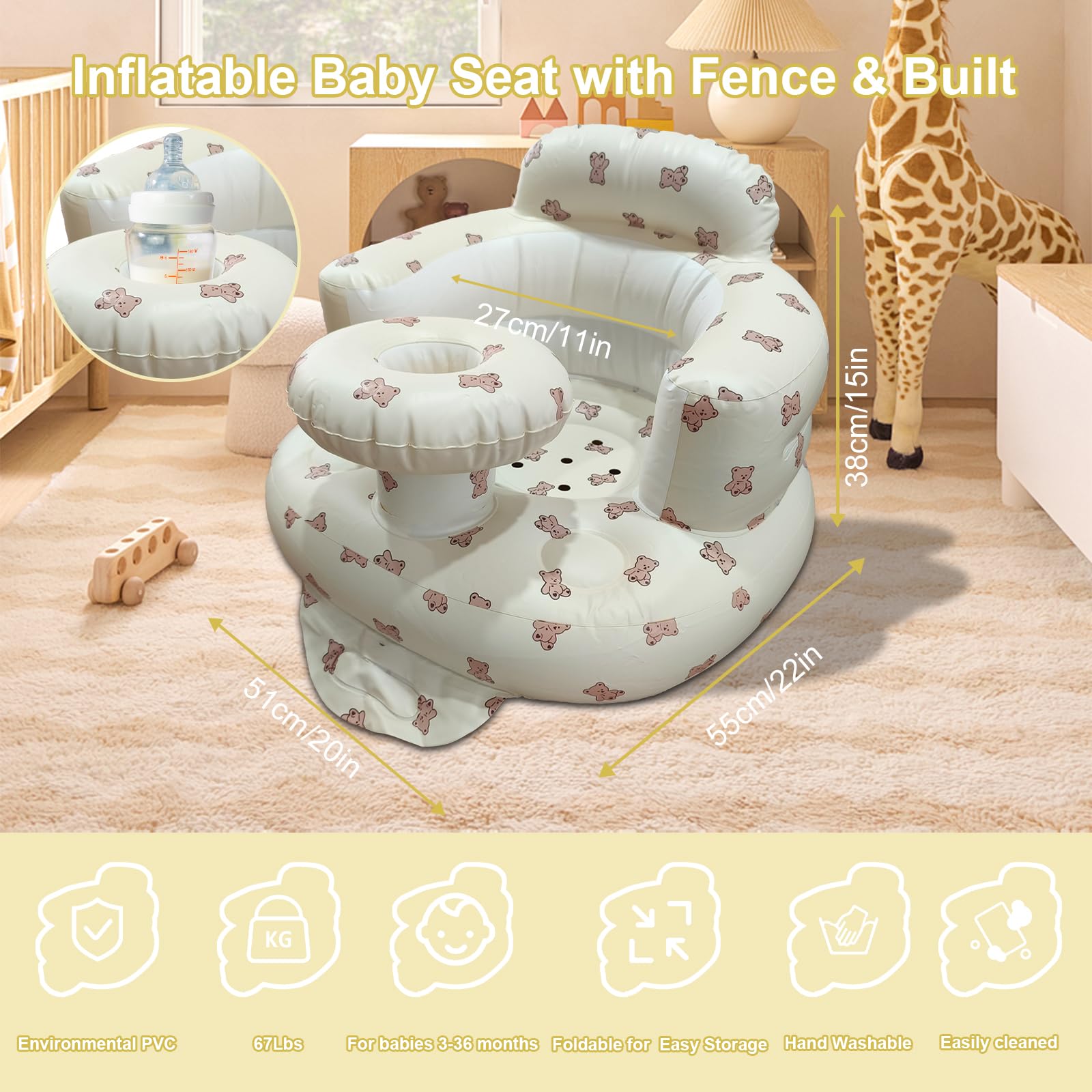
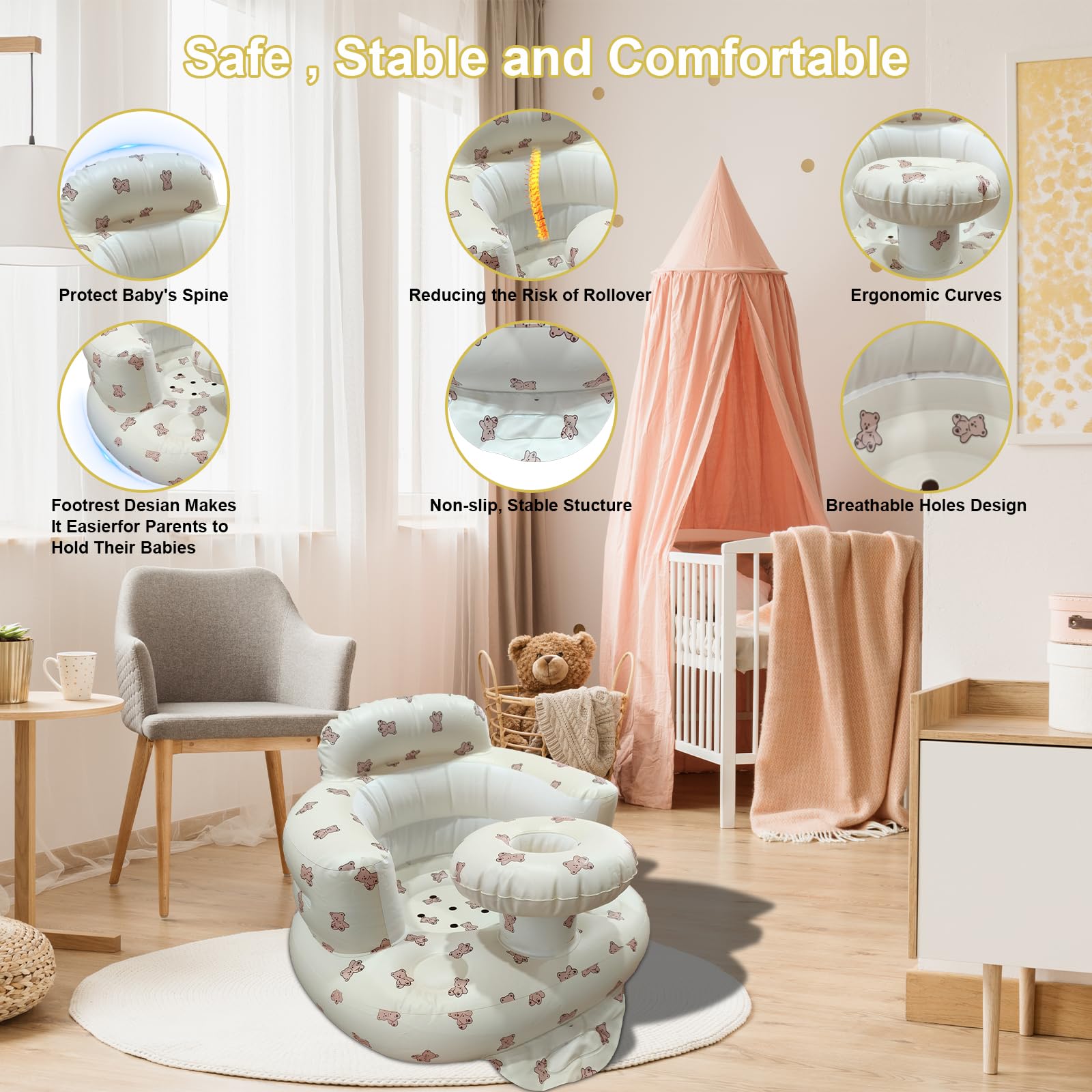
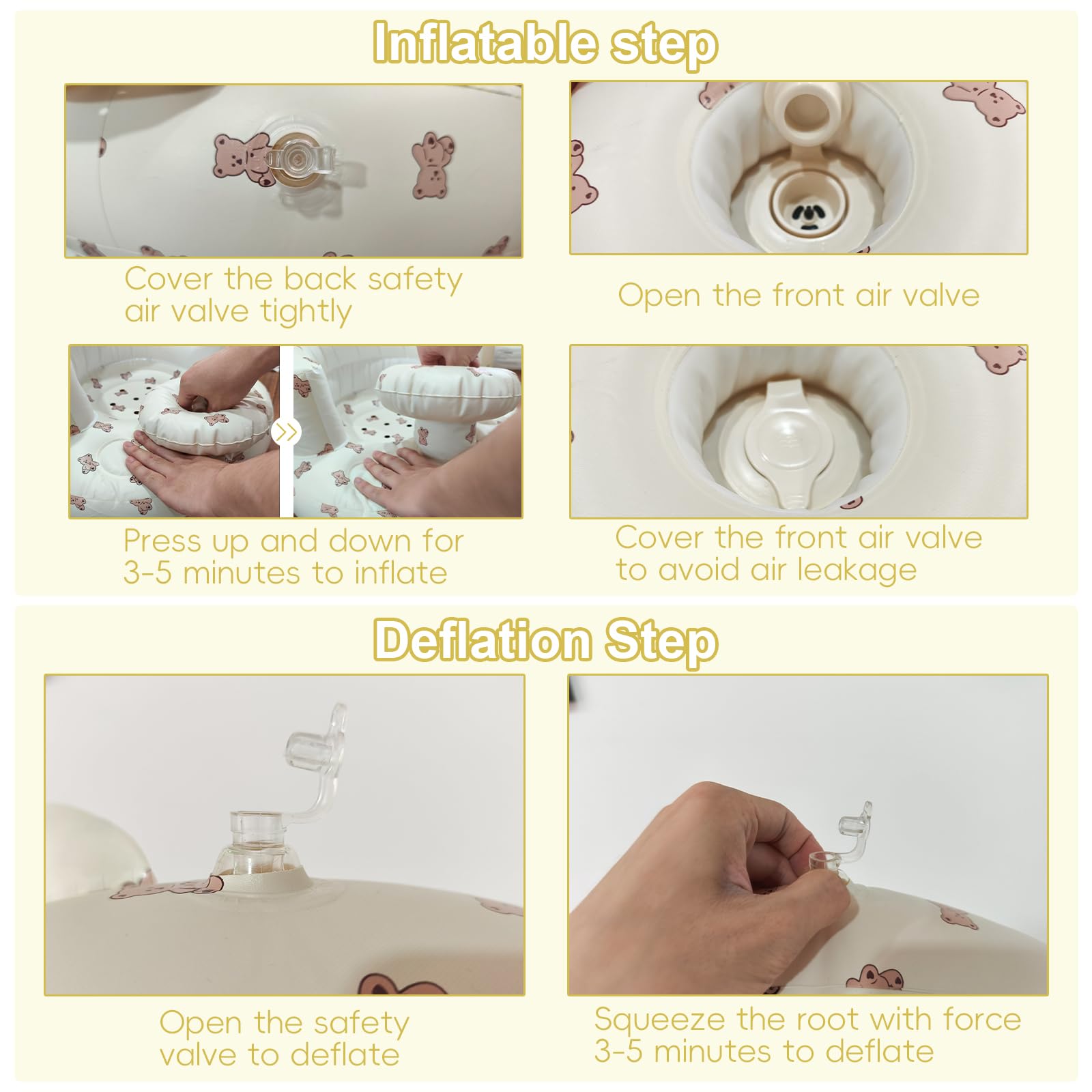
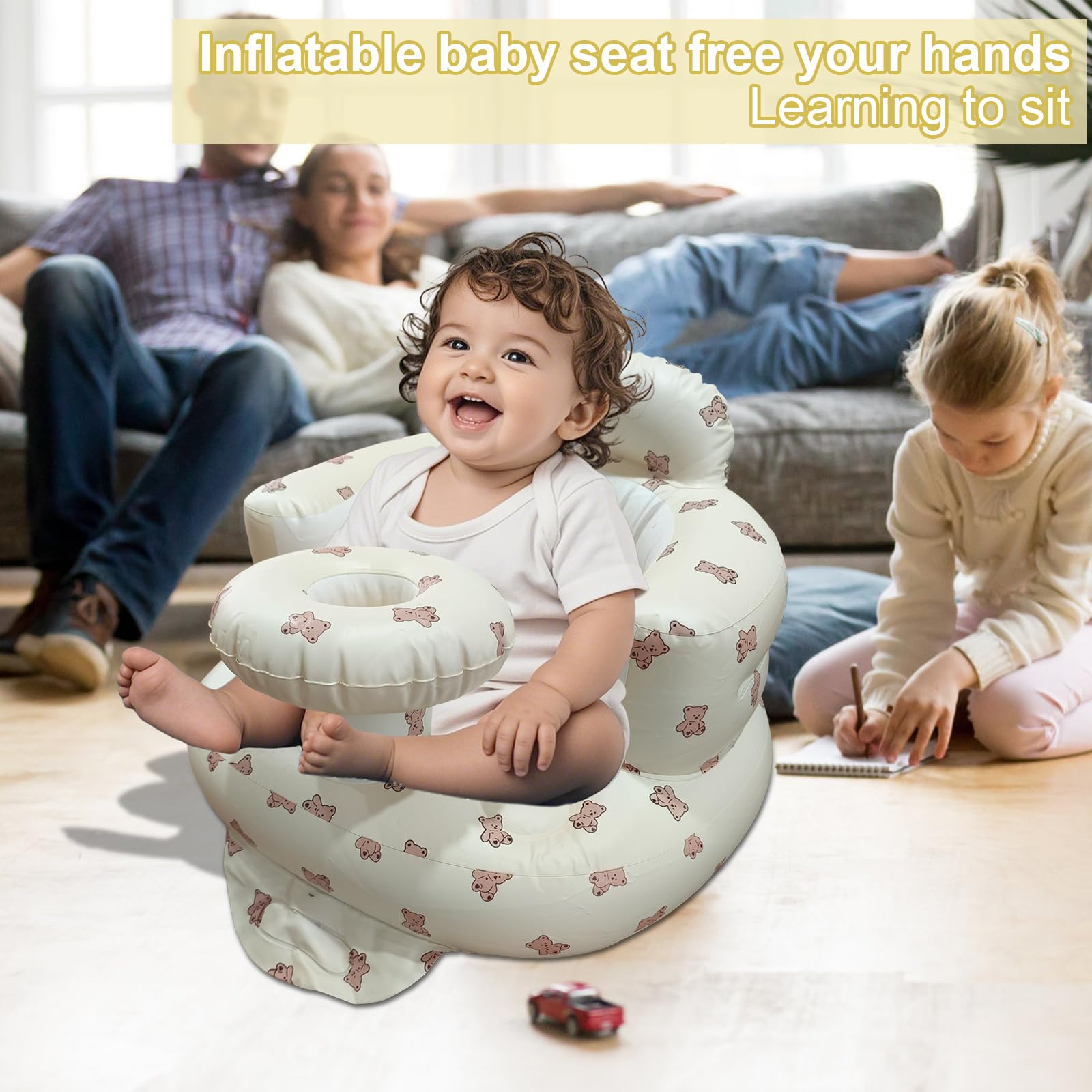
Inflatable Baby Seat for Babies 3-36 Months, Baby Chair with Fence & Built in Air Pump, Blow Up Floor Baby Seat with Back Support, Inflatable Baby Chair Sit Me Up for Home Bear-Tray
- Safety and stability: Are you worried that your baby will fall off the baby floor seat? This inflatable baby c
- Versatile and multifunctional: Made of thickened PVC material, this inflatable baby seat holds up to 67 lbs fo
- Bionic design: The large curved, high-backed wrap-around sofa stabilizes baby's back, sides and legs. If you e
7. Choosing the Right Supportive Seat: A Side-by-Side Comparison
| Seat Type | Best Age Range | Primary Benefits | Main Drawbacks | Recommended Product | Price Range |
|---|---|---|---|---|---|
| Low-position inflatable floor seat | 3–6 months | Portable, soft, easy to store; wraparound support | Less structured posture support than foam seats | Bavbiiy Inflatable Baby Chair | $20–24 |
| Inflatable seat with fence & tray | 3–36 months | Safety fence prevents tipping; tray for snacks/play; durable PVC | Bulkier than basic inflatable options | TOSXW Inflatable Baby Seat | $20–22 |
| Foam floor seat with harness | 3–12 months | Structured foam support; adjustable harness; machine-washable pad | Higher price point; less portable | Bumbo Wide Floor Seat PLUS+ | $55–60 |
| Fabric seat with developmental toys | 4–12 months | Attached toys encourage reaching; folds flat for travel; very popular | Toys may not hold interest long-term | Fisher-Price Sit-Me-Up Floor Seat | $44–48 |
| 2-position grow-with-me seat | 4–12 months | Two height positions match developmental stages; sensory toys included | Slightly larger footprint | Bright Starts Learn-to-Sit Seat | $43–46 |
| 2-in-1 floor seat and booster | 6–36 months | Converts to dining booster; grows with baby; great value | Assembly required; less suited to very young babies | Ingenuity Baby Base 2-in-1 | $28–32 |
8. Expert Insights on Baby Sitting Development
9. Frequently Asked Questions
Conclusion
Watching your baby go from a floppy newborn to a confident, upright little person who can sit and reach for a toy independently is one of the genuinely magical chapters of the first year. It does not happen overnight, and it does not happen by accident — it happens because you put them on their tummy every day, you got down on the floor with them, and you created the conditions for their body to figure it out.
The best thing you can do is trust the process, stay consistent with tummy time and floor play, and resist the urge to compare timelines with other babies. As the research makes clear: the journey to sitting is built on a thousand small movements, not one big moment.
If this article helped you feel more confident about your baby's development, save it, share it with your parenting group, or subscribe to tinymindsworld.com for more clinically informed, parent-friendly guides just like this one.
Sources & References
- World Health Organization. "WHO Motor Development Study: Windows of Achievement for Six Gross Motor Development Milestones." Acta Paediatrica, Supplement 450. 2006. https://www.who.int/tools/child-growth-standards/motor-milestones
- American Academy of Pediatrics. "Tummy Time." HealthyChildren.org. 2023. https://www.healthychildren.org/English/ages-stages/baby/sleep/Pages/The-Importance-of-Tummy-Time.aspx
- American Academy of Pediatrics. "Bright Futures: Guidelines for Health Supervision of Infants, Children, and Adolescents." 4th Edition. 2017. https://brightfutures.aap.org
- American Academy of Pediatrics. "Developmental Milestones: 6 Months." HealthyChildren.org. 2023. https://www.healthychildren.org/English/ages-stages/baby/Pages/Developmental-Milestones-6-Months.aspx
- Kuo YL, Liao HF, Chen PC, Hsieh WS, Hwang AW. "The influence of wakeful prone positioning on motor development during the early life." Journal of Developmental and Behavioral Pediatrics. 2008 Oct;29(5):367-76. https://pubmed.ncbi.nlm.nih.gov/18714208/
- Canadian Paediatric Society. "Screen time and young children: Promoting health and development in a digital world." Paediatrics & Child Health. 2017. https://cps.ca/en/documents/position/screen-time-and-young-children
- Majnemer A, Barr RG. "Influence of supine sleep positioning on early motor milestone acquisition." Developmental Medicine & Child Neurology. 2005 Jun;47(6):370-6. https://pubmed.ncbi.nlm.nih.gov/15934492/
- Pin T, Eldridge B, Galea MP. "A review of the effects of sleep position, play position, and equipment use on motor development in infants." Developmental Medicine & Child Neurology. 2007 Nov;49(11):858-67. https://pubmed.ncbi.nlm.nih.gov/17979870/
- Centers for Disease Control and Prevention. "Learn the Signs. Act Early: Developmental Milestones." CDC.gov. 2023. https://www.cdc.gov/ncbddd/actearly/milestones/index.html
- Royal College of Paediatrics and Child Health. "Child Development: Motor Milestones." RCPCH.ac.uk. 2023. https://www.rcpch.ac.uk/resources/child-development
Frequently Asked Questions
At exactly what age should my baby sit up on their own?
Is it okay to prop my baby in a sitting position before they can sit on their own?
Do baby floor seats like the Bumbo actually help babies learn to sit?
My baby learned to sit and then started falling over again. Is that normal?
How long should tummy time sessions be?
Can I use a Bumbo seat or floor seat on the table or sofa?
What if my baby hates tummy time?
Was this helpful?
Thanks — your feedback helps us pick what to write next.