Tween Skincare 101: Managing Oily Skin and Acne in Puberty
Oily skin and acne during puberty are driven by hormonal changes your tween cannot control, but a simple, gentle daily routine with the right ingredients can keep breakouts manageable and protect their confidence.
In this article
Your child came home from school last week and asked, quietly, whether they could get something for their face. Maybe you barely noticed the few spots appearing on their forehead. They noticed every single one.
According to the American Academy of Dermatology (AAD), acne is the most common skin condition in the United States, affecting up to 85 percent of people at some point between the ages of 12 and 24. But in clinical practice, I see it starting earlier, often between 8 and 10, right as puberty kicks off. For a lot of kids this age, acne is not just a skin issue. It shows up at lunchtime, in school photos, and in the mirror before they head to a birthday party. The emotional weight is real.
The good news is that most tween skin responds well to a simple, consistent routine. You do not need an elaborate cabinet of products or a dermatologist on speed dial (though I will tell you exactly when you do). What you need is to understand what is actually happening in your child's skin and why gentle always wins over aggressive.
By the end of this article you will understand:
1. Why Puberty Makes Skin Oily: The Biology Behind the Breakouts
Oily skin in tweens is not poor hygiene. It is hormones, full stop.
When puberty begins, the body starts producing more androgens (male hormones that both boys and girls make). These androgens bind to receptors in the sebaceous glands, the tiny oil producing structures attached to each hair follicle, and signal them to produce more sebum. Sebum is not the enemy. It is a natural mixture of fats and waxes that keeps skin supple and acts as a mild antimicrobial barrier. The problem is volume. When the glands suddenly overproduce, sebum backs up inside follicles, mixes with dead skin cells, and forms the blockages we call comedones (whiteheads and blackheads). Add the bacterium Cutibacterium acnes (formerly called Propionibacterium acnes) into that oily environment and you get the inflammation that turns a blocked pore into a red, sore spot.
Acne vulgaris is primarily a disease of the pilosebaceous unit driven by four factors: increased sebum production, follicular hyperkeratinisation, Cutibacterium acnes colonisation, and inflammatory response.
— American Academy of Dermatology, Clinical Guidelines (2016)
Where acne shows up first
In most tweens, the T-zone (forehead, nose, and chin) is the first area affected because sebaceous glands are densest there. The cheeks, jawline, and upper back often follow as puberty progresses. Boys tend to develop more severe acne overall because testosterone, their dominant androgen, is a more potent driver of oil gland activity. Girls may notice that breakouts track their menstrual cycle once periods begin.
Why it is not about washing your face more
One of the most persistent myths I hear in clinic is that oily skin means dirty skin. Over-washing actually strips the skin's natural barrier, triggering a compensatory sebum surge that makes things worse. The same goes for rough exfoliating scrubs and alcohol-heavy toners that were popular a generation ago. Your tween's skin barrier is already under stress from hormonal fluctuation. The goal of any routine is to support it, not punish it.
Understanding why puberty drives these changes in the first place is worth exploring further. You can read more about the physical and emotional shifts your child is navigating in our overview of puberty timelines and what's normal.
2. Reading the Ingredient Label: What Actually Works for Tween Skin
Most tween skincare products fall into three categories: ones with ingredients that genuinely help, ones that are harmless but do little, and ones that can actively irritate young skin. Knowing which is which saves money and prevents setbacks.
Ingredients worth looking for
Salicylic acid (0.5 to 2 percent): This is a beta hydroxy acid that is oil soluble, which means it can get inside a pore and dissolve the debris that causes blockages. At concentrations up to 2 percent in an over the counter wash, it is appropriate for tweens with oily or mildly acne-prone skin. It is most effective in a leave-on product (like a toner or spot treatment) because a rinse-off cleanser does not give it much contact time, but even in a face wash it contributes to a cleaner pore environment.
Niacinamide (2 to 5 percent): A form of vitamin B3 that reduces sebum production, calms redness, and supports the skin barrier. It is one of the most well tolerated active ingredients for sensitive young skin and can be used morning and evening without issue.
Ceramides: These are lipid molecules naturally found in the skin barrier. Cleansers and moisturisers that include ceramides help replace what harsh products strip away. They do not treat acne directly but they keep the barrier functioning well so actives can do their job without causing dryness or irritation.
Benzoyl peroxide (2.5 percent): Genuinely effective at killing the bacteria that turn blocked pores into inflamed spots. However, it bleaches fabric, can over-dry young skin, and the AAD recommends starting at the lowest available concentration. For most tweens I would try salicylic acid and good basic hygiene first and reserve benzoyl peroxide for persistent breakouts or use it under professional guidance.
Ingredients to avoid in tween skincare


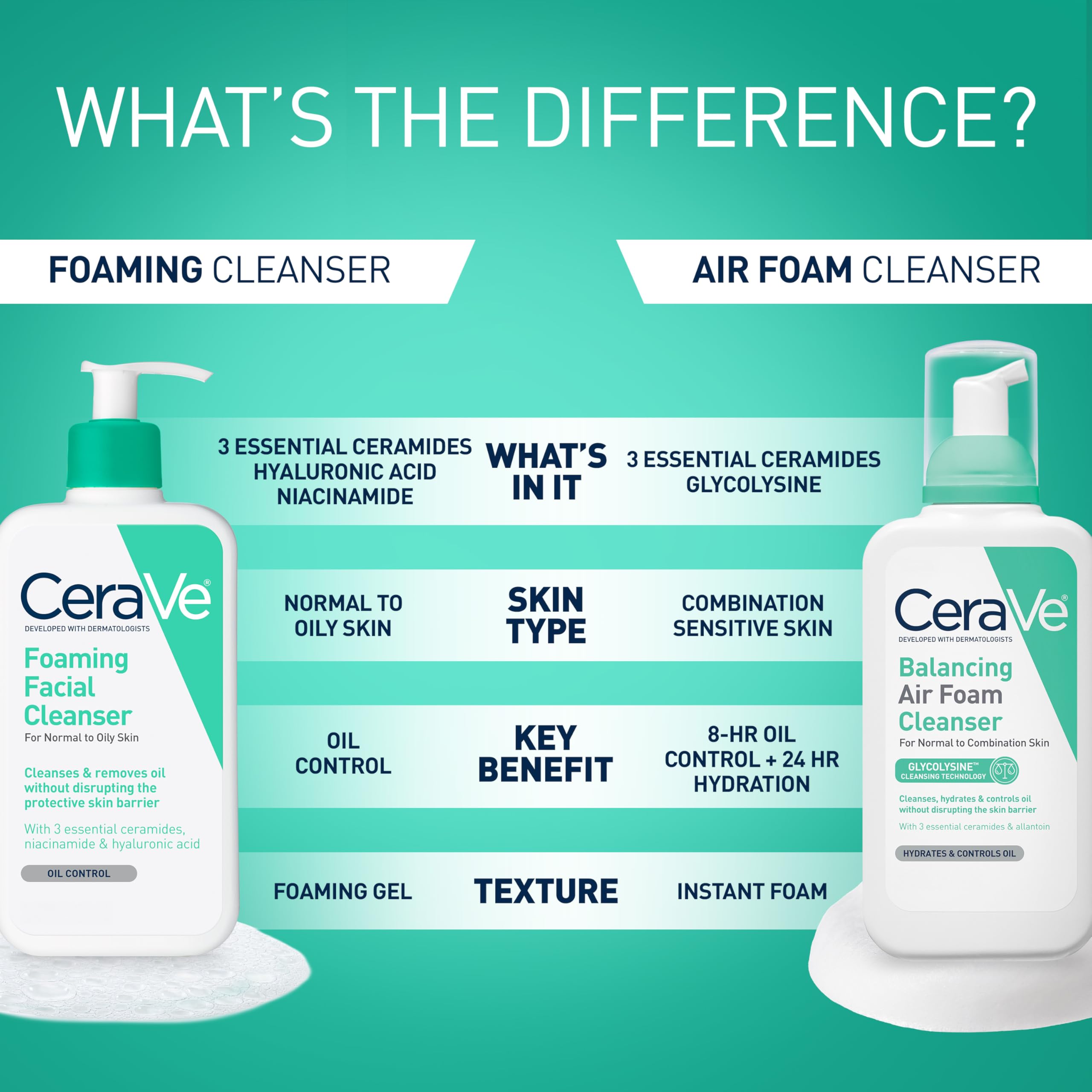
CeraVe Foaming Facial Cleanser, Daily Face Wash for Oily Skin, Hyaluronic Acid + Ceramides + Niacinamide, Fragrance Free, Non-Drying Oil Control Face Wash, 8 Fluid Ounces
- [ FOAMING FACE WASH ] Oily skin cleanser dispenses as a clear gel cleanser and transforms into a foam as you l
- [NON- DRYING FACE CLEANSER] Fragrance-free, non-comedogenic, non-drying, and non-irritating. Gently refreshes
- [ MULTI-USE SKIN CARE ] Skin Cleanser for face and/or body and can be used as a hand wash. Suitable for daily
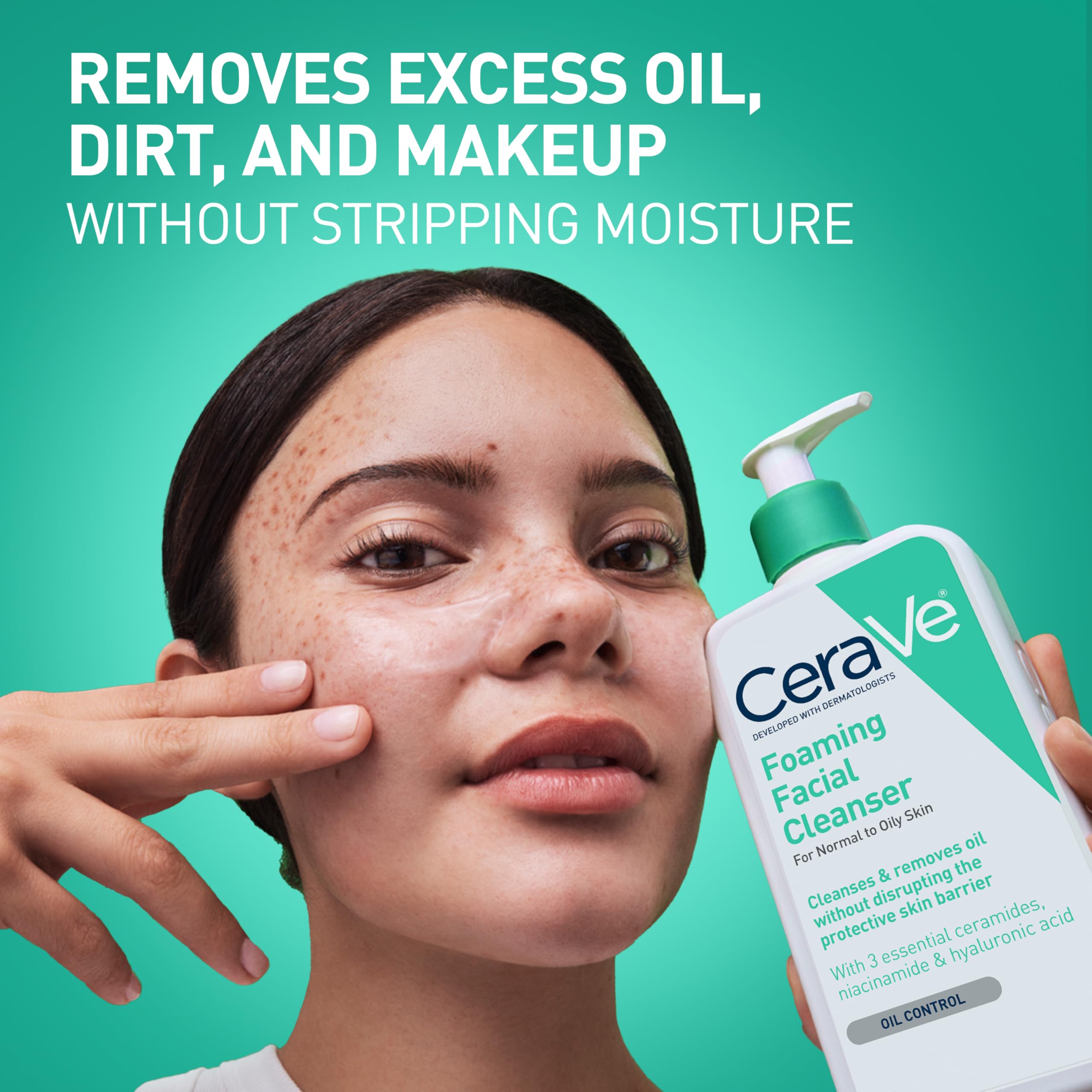
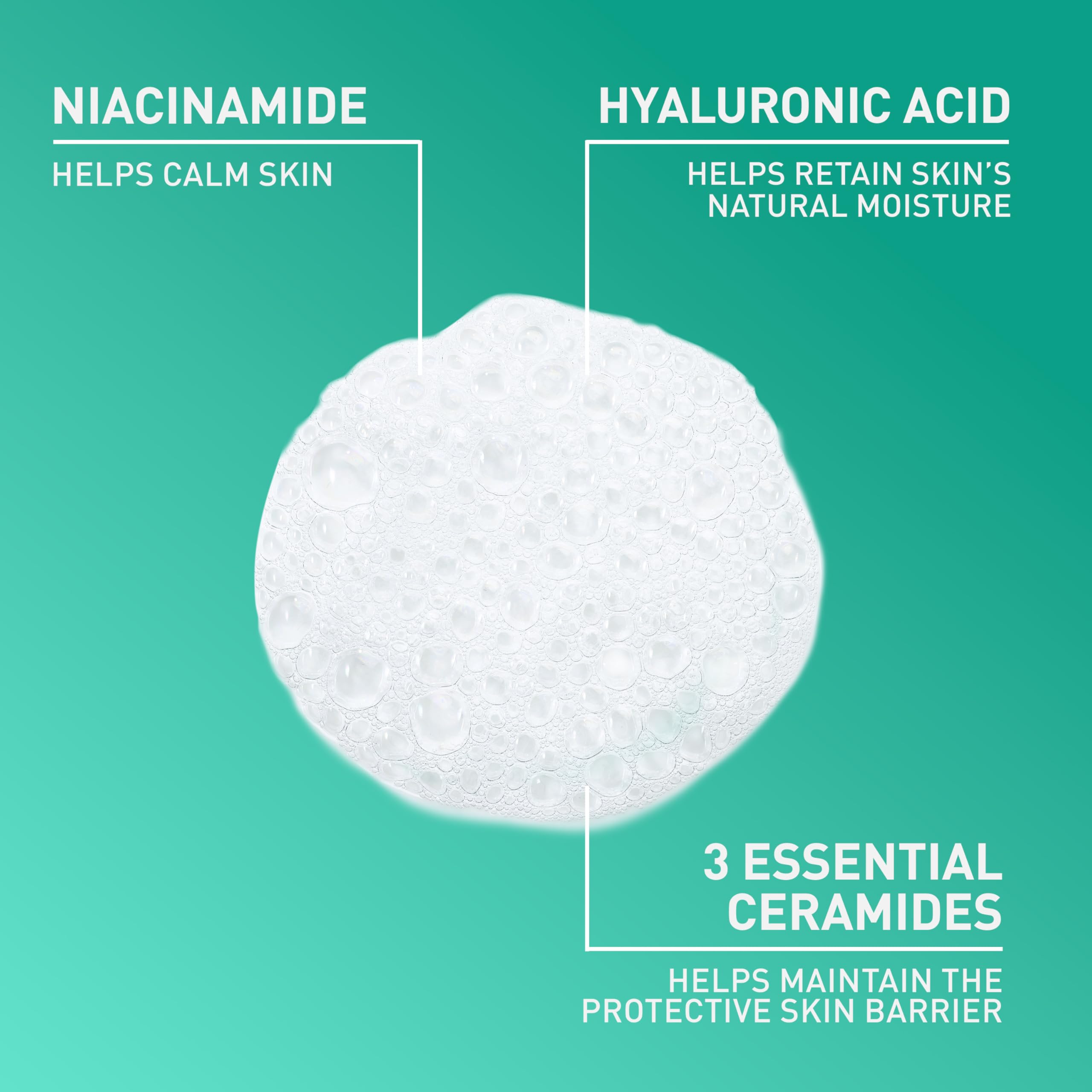
CeraVe Foaming Facial Cleanser is one of my most recommended starting-point cleansers for oily tween skin. The combination of niacinamide, hyaluronic acid, and ceramides means it addresses oil without sacrificing the barrier, and it is fragrance free and non-comedogenic. At under $13 for 8 oz it is also genuinely affordable.
3. Building a Simple Tween Skincare Routine That Actually Gets Done
The best routine for a tween is the one they will actually follow. That means short, simple, and something they can do independently.
At ages 8 to 12, the goal is not perfection. It is building a habit. A two step routine done consistently beats a seven step routine done twice in a week.
The morning routine (3 to 4 minutes)
Step 1: Cleanse. A gentle, fragrance free face wash used with lukewarm water for about 30 to 60 seconds, then rinsed thoroughly. The water temperature matters: hot water strips the skin barrier; cold water feels unpleasant and reduces lather. Lukewarm is right.
Step 2: Moisturise with SPF. This is the step many parents overlook for tweens. Even oily skin needs moisture, and acne-prone skin especially needs sun protection because UV exposure worsens post-acne marks. A lightweight, non-comedogenic SPF 30 or higher does both jobs in one product. Look for labels that say "oil free" and "for acne-prone skin."
The evening routine (4 to 5 minutes)
Step 1: Cleanse. Same gentle cleanser. If they have been wearing any tinted SPF or makeup, a quick rinse with a flannel before cleansing helps. Night cleansing removes the day's oil, sweat, pollution particles, and any dead skin cells.
Step 2: Optional targeted treatment. If there are active spots, a small amount of a 0.5 to 2 percent salicylic acid leave-on product or a 2.5 percent benzoyl peroxide gel applied only to the spots (not across the whole face) can help. Introduce this slowly, two to three nights a week at first, to check how the skin responds.
Step 3: Moisturise. A light, fragrance free, non-comedogenic moisturiser at night helps keep the barrier intact and prevents the skin from feeling tight, which often makes tweens skip this step altogether.


TBH Kids Spot Foam Face Wash – Gentle Daily Cleanser for Preteens & Teens – Salicylic Acid & Willow Bark for Oily & Sensitive Skin – Sulfate & Paraben-Free – 5.5 oz
- Responsible skin care for kids: we make age-appropriate personal care products for tweens that are easy to und
- Deep Cleansing & Breakout Control: This gentle foaming face wash cleans deep into pores to help prevent breako
- Light, Refreshing & Foam-Tastic: This airy, foaming cleanser delivers a silky-smooth lather that gently cleans


Cetaphil Face Wash, Daily Facial Cleanser for Sensitive, Combination to Oily Skin, 16 Oz, Fragrance Free, Gentle Foaming, Soap Free, Hypoallergenic
- CETAPHIL FRAGRANCE FREE DAILY FACIAL CLEANSER: Reinforces the skin barrier, balances skin and minimizes the ap
- IDEAL FOR SENSITIVE, COMBINATION TO OILY SKIN: Clinically proven to deep clean by removing dirt, excess oils,
- DEVELOPED FOR EVEN THE MOST SENSITIVE SKIN: The hypoallergenic, non-comedogenic formula is free of parabens an
What about once a day only?
For very young tweens (ages 8 to 9) with mild oiliness but no active acne, once daily cleansing at night is fine. The morning splash with water and SPF is still helpful but the critical cleanse is at night when the day's accumulation comes off. If twice daily cleansing is causing dryness or redness, drop back to once.
4. Choosing the Right Face Wash: A Parent's Buying Guide
Walk into any pharmacy and you will find an overwhelming shelf of products aimed at teenagers. Many of them are too harsh, too fragrant, or simply too complicated for a tween just starting out. Here is what to look for and what to skip.
Non-negotiable label criteria
For sensitive or very mild oily skin
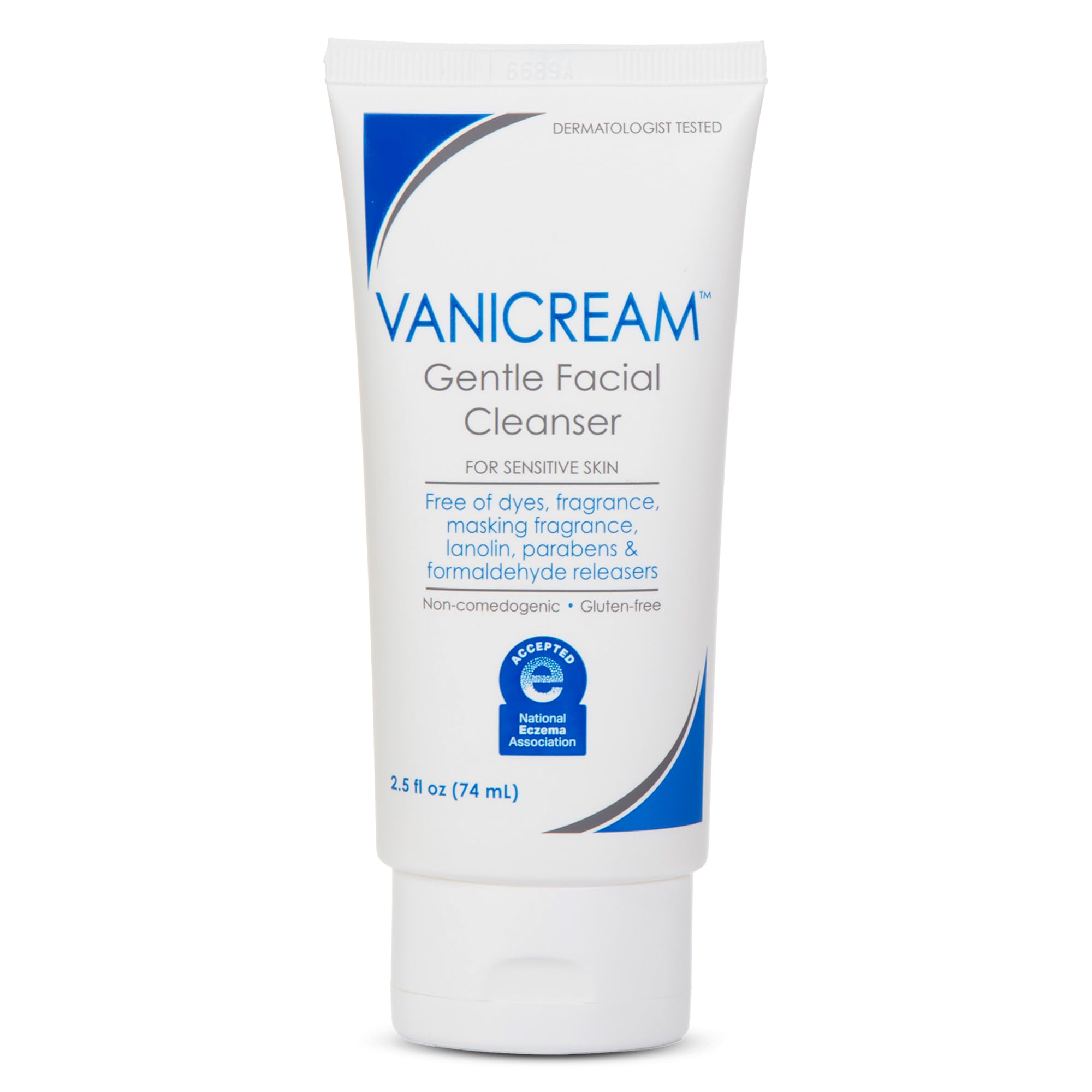
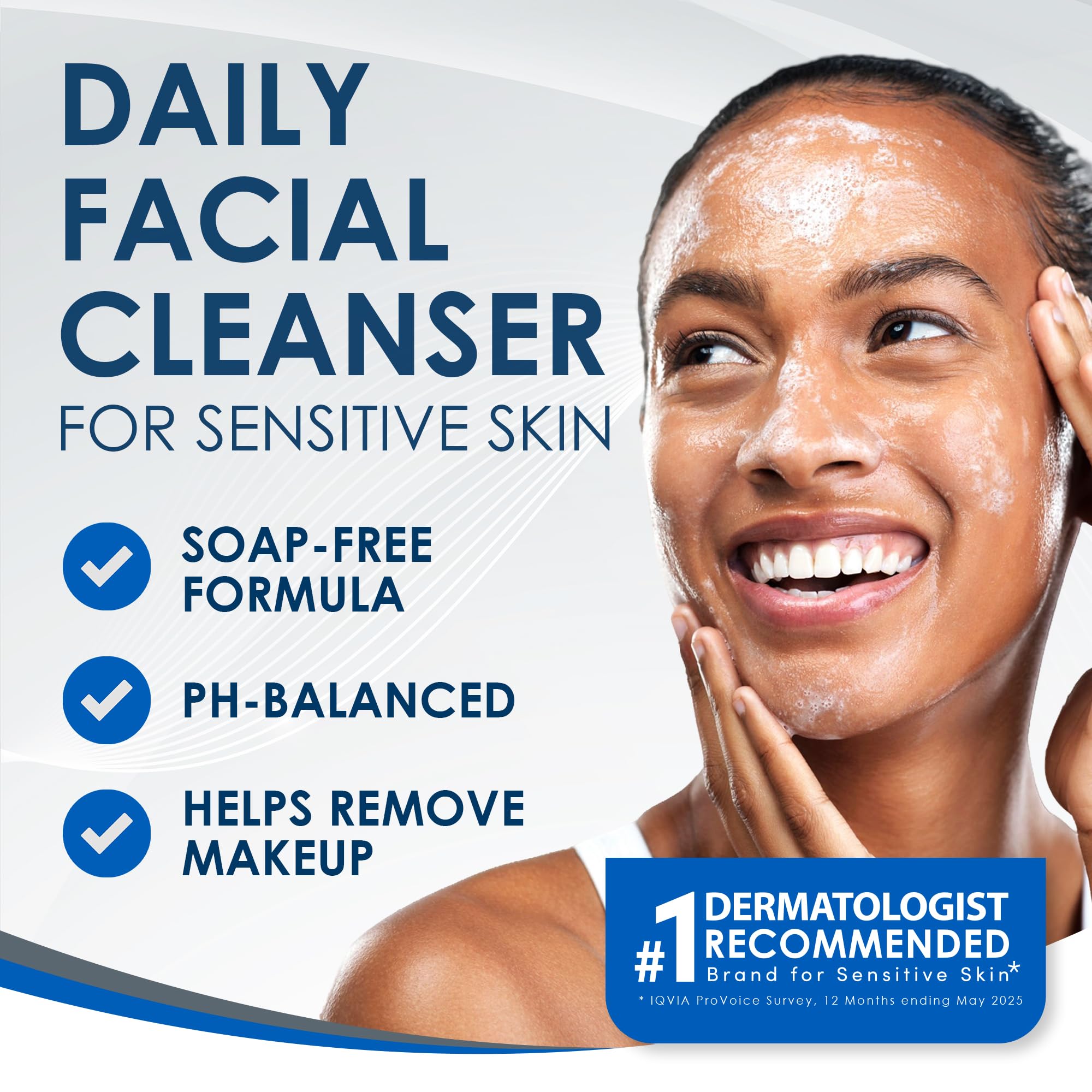
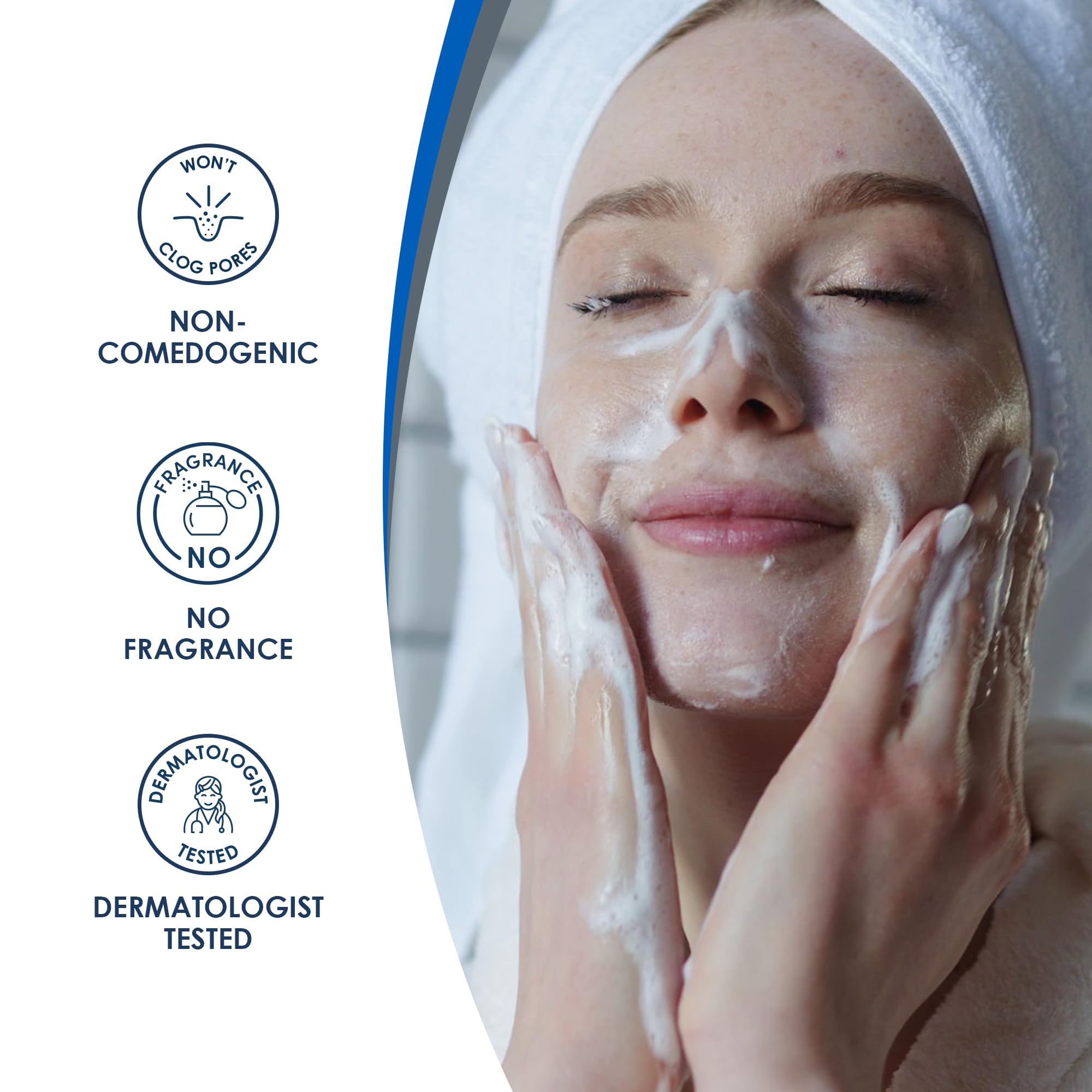
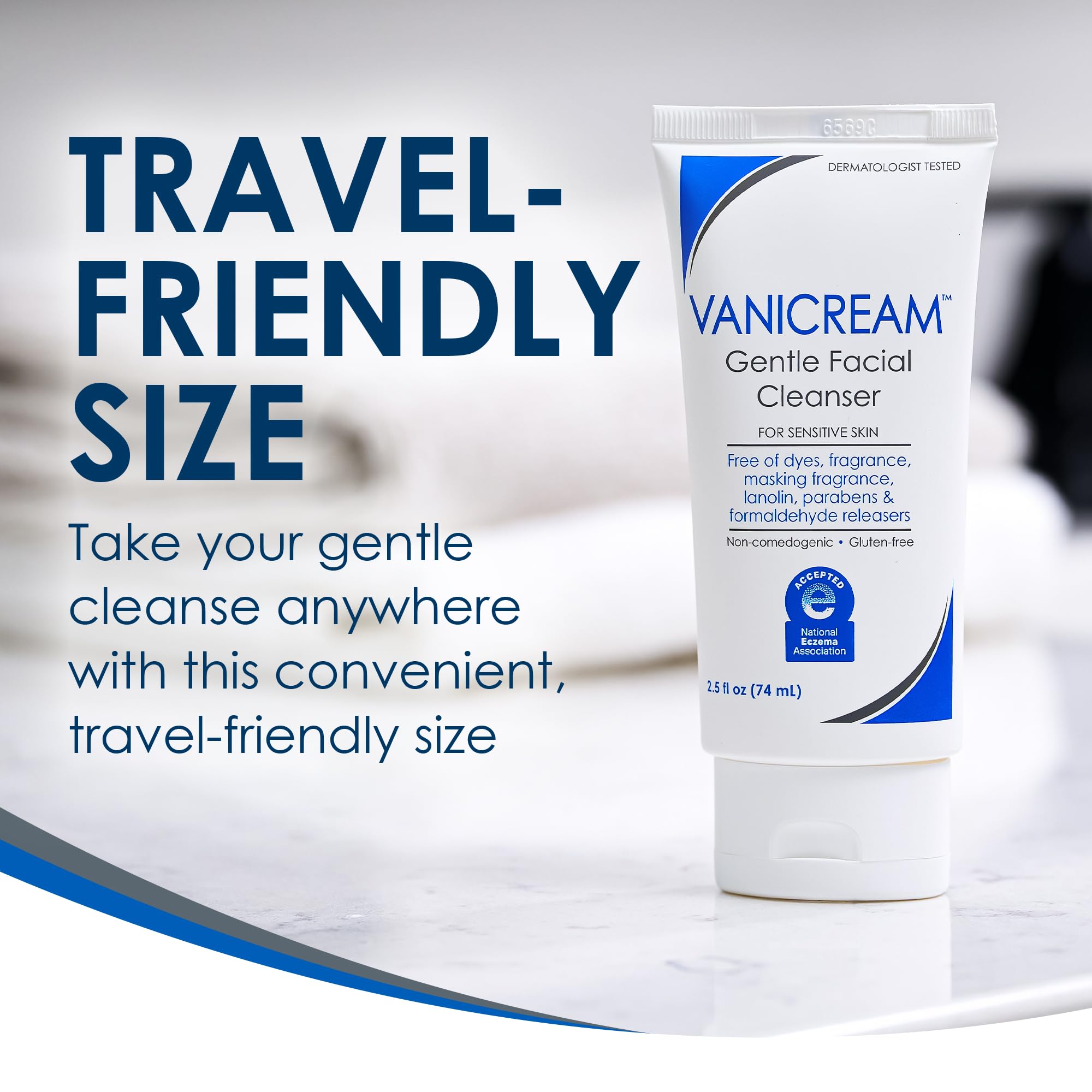
Vanicream Gentle Facial Cleaner, 2.5 Fl Oz, Formulated without Common Irritants for Sensitive Skin, Removes Makeup, Dirt & Excess Oils, Non-Comedogenic, pH-Balanced Face Wash
- Gentle Cleansing for Sensitive Skin: Vanicream is the #1 dermatologist-recommended Brand for Sensitive Skin*.
- Won’t Clog Pores: Carefully formulated to be non-comedogenic, this face cleanser helps support skin prone to s
- No Common Irritants: The pH-balanced formula of this gentle face cleanser contains no soap, gluten, fragrance,
Vanicream Gentle Facial Cleanser is stripped right back to basics, making it ideal for tweens with sensitive skin or conditions like eczema that sit alongside oily skin. No botanicals, no essential oils, no sulfates, no fragrance. If your child has ever reacted to a product before, this is where I would start.
For oily skin with mild breakouts
The TBH Kids Spot Foam Face Wash is specifically formulated with tweens in mind, containing salicylic acid at a gentle concentration alongside willow bark and aloe. It foams nicely, which most kids enjoy, and the light scent comes from safe, non-irritating sources rather than synthetic fragrance. At $12.95 it sits in a very reasonable price range.
The Natural Outcome Teen Skin Face Wash takes a botanical approach with green tea and pomegranate extracts alongside aloe vera. It is oil free and non-drying and works well for tweens who want something that feels a bit more "natural" in origin.
For value-focused families
Both the Cetaphil Daily Facial Cleanser 20 oz and the Cetaphil Daily Facial Cleanser 16 oz deliver the same clinically trusted, dermatologist recommended formula. The 20 oz bottle works out cheaper per ounce and is a sensible buy once you know the product suits your child's skin. Cetaphil has been a go-to in paediatric dermatology for decades because it is genuinely mild, it keeps the skin barrier intact, and kids find it easy to use.
5. The Mistakes Parents (and Tweens) Most Commonly Make
Even with good intentions, a few very common habits can make tween acne significantly worse. Here are the ones I see most often in clinic.
Mistake 1: Over-washing
Washing the face three, four, or five times a day in the hope of controlling oil is counterproductive. It strips the skin barrier, which triggers the sebaceous glands to produce even more oil as a compensatory response. Twice daily is the ceiling for most tweens. Once daily is fine for mild cases.
Mistake 2: Using adult acne products
Products designed for adult acne often contain high concentrations of actives, retinoids, or strong exfoliating acids that tween skin is not ready for. The skin of a 10 year old is not the same as the skin of a 25 year old. Thinner, more reactive, and with a barrier that is still maturing.
Mistake 3: Picking and squeezing
I know. Every adult reading this has done it. But squeezing spots introduces bacteria from the fingers into an already inflamed follicle, deepens the inflammation, and is the most common cause of post-acne scarring in adolescents. If your tween is picking their skin, address it as a habit rather than a character flaw. Giving them a targeted spot treatment to apply at night gives their hands something productive to do.
Mistake 4: Skipping moisturiser because skin feels oily
This is one of the most persistent myths in skincare. Oily skin still loses water through the skin barrier (a process called transepidermal water loss) and when the barrier becomes dehydrated, oil production can actually increase. A lightweight, non-comedogenic, oil free moisturiser supports the barrier without adding congestion.
Mistake 5: Expecting overnight results
Over the counter products, even good ones, take four to six weeks of consistent daily use before the full effect is visible. Many families abandon a routine at the two week mark, just before it would have started to make a real difference. Set expectations with your tween from the beginning: we are giving this eight weeks.
For context on how the tween brain processes things like patience, delayed reward, and new habits, our piece on understanding the tween brain and family dynamics is worth a read.
6. When to See a Paediatrician or Dermatologist: Red Flags and Next Steps
Most mild to moderate tween acne responds to over the counter care within eight to twelve weeks. But some presentations need professional assessment, and waiting too long does cost your child skin in the long term, both literally and in terms of scarring and confidence.
Signs you need a clinician's input
What a GP or paediatrician can offer
At the first clinical level, your family doctor or paediatrician can prescribe:
- Topical retinoids (adapalene is now available over the counter in some countries at 0.1 percent but is more appropriately introduced under guidance for tweens) - Topical antibiotics (clindamycin or erythromycin) combined with benzoyl peroxide to reduce antibiotic resistance risk - Oral antibiotics for moderate to severe cases - Referral to a dermatologist for isotretinoin assessment if warranted
Hormonal acne in girls
If your daughter's breakouts are severe, clustered around the jaw and chin, and track her menstrual cycle, it is worth discussing hormonal influences with her doctor. Combined oral contraceptives are used in older adolescents for hormonally driven acne, but the broader picture of hormonal health in girls deserves a full clinician assessment before any prescription decisions.
7. Talking to Your Tween About Skin Without Creating Anxiety
How you bring up the subject of skincare matters at least as much as the products you buy.
Tweens at this age are acutely aware of their bodies and deeply sensitive to perceived criticism. A well-meant "we should get you something for those spots" can land as "you look bad." That is not the message any of us want to send. At the same time, leaving them without support when they are clearly distressed is not the answer either.
How to open the conversation
The most effective approach I have seen works through curiosity rather than problem framing. Rather than "your skin is getting oily, let's sort it out," try something like "a lot of kids your age notice their skin changing, and I wanted to make sure you had the right stuff if you ever wanted it." This hands them the agency. They can accept, decline, or come back to it in their own time.
If they raise it themselves, take it seriously. Do not minimise ("it's just a few spots, everyone gets them") and do not catastrophise. Acknowledge the emotion first, then move to practical action.
Keeping it matter-of-fact
Framing skincare as basic hygiene rather than a beauty ritual keeps the stakes lower and makes it easier for tweens who are self-conscious to engage. "Washing your face is just part of looking after yourself, like brushing your teeth" is more useful framing than "this is your skincare routine."
Protecting self-esteem alongside skin
The AAD notes that acne is independently associated with increased rates of depression and anxiety in adolescents. Your job is not to fix every spot. It is to make sure your child knows the spots do not define them, that most of their peers are dealing with the same thing, and that there are practical steps they can take that will genuinely help. Confidence, it turns out, is the most powerful product in the cabinet.
The bigger picture of what your 8 to 12 year old is experiencing physically and emotionally during these years is covered well in our guide to developmental milestones parents need to know.
8. Lifestyle Factors That Influence Tween Skin
Skincare products are one piece of the puzzle. Several lifestyle factors have real, evidence-backed influence on how oily and breakout-prone your tween's skin is.
Sleep
Chronic sleep deprivation elevates cortisol, which in turn stimulates androgen production and increases sebum output. The American Academy of Sleep Medicine recommends 9 to 12 hours of sleep per night for children aged 6 to 12. In my clinic, when I see a tween with worsening acne I always ask about sleep first. More detail on why sleep matters so much at this age is in our article on how much sleep tweens actually need.
Diet
The relationship between diet and acne is more nuanced than "chocolate causes spots." The current evidence (reviewed in the Journal of the Academy of Nutrition and Dietetics) does suggest associations between high glycaemic load diets (lots of refined carbohydrates and sugary foods) and acne severity. Dairy, particularly low-fat dairy, has also shown an association in some studies, though the evidence is not strong enough to recommend elimination without clinical guidance. The practical takeaway is not a restrictive diet, it is a broadly nutritious one rich in vegetables, whole grains, lean proteins, and adequate hydration.
Sweat and exercise
Physical activity is fantastic for tweens, full stop. But sweat left on the face after exercise provides an environment in which Cutibacterium acnes thrives. Encouraging your tween to wash their face within 30 minutes of sport (a simple water rinse and quick cleanser is fine) makes a noticeable difference in kids who exercise regularly.
Phone screens and touching the face
Research published in JAMA Dermatology and elsewhere has noted that the habit of resting cheeks or chins on hands, common when staring at phones or laptops, transfers bacteria and oil from fingers to pores. Regularly cleaning phone screens (which carry significant bacterial load) is a genuinely useful, underrated tip.
Pillowcases and hair products
Hair products (gels, waxes, serums) often contain oils and silicones that transfer to the forehead and hairline overnight, blocking pores. Washing pillowcases twice a week and switching to a non-comedogenic or "non-greasy" hair product makes a quiet but real difference for tweens who wear products in their hair.
Product Comparison: Which Face Wash Suits Your Tween?
| Cleanser Type | Best For | Key Active Ingredients | Fragrance Free | Recommended Product | Price Range |
|---|---|---|---|---|---|
| Gentle daily cleanser (no actives) | Sensitive or reactive skin, beginners | Ceramides, hyaluronic acid | Yes | Vanicream Gentle Facial Cleanser | $5–6 |
| Foaming cleanser with niacinamide | Oily skin, mild pores, everyday use | Niacinamide, ceramides | Yes | CeraVe Foaming Facial Cleanser | $12–13 |
| Tween-specific salicylic acid foam | Oily skin with early breakouts | Salicylic acid, willow bark, aloe | No (light scent) | TBH Kids Spot Foam Wash | $12–13 |
| Classic gentle cleanser (large bottle) | Families wanting value, combination skin | Mild surfactants | Yes | Cetaphil Daily Cleanser 20 oz | $13–14 |
| Natural botanical cleanser | Tweens preferring natural ingredients, mild acne | Green tea, pomegranate, aloe | Yes | Natural Outcome Teen Skin Wash | $11–12 |
| Fragrance free cleanser (travel size) | Sensitive skin, first-time users, travel | pH-balanced, minimal formula | Yes | Cetaphil Daily Cleanser 16 oz | $10–11 |
Expert Insights
Your tween's skin is going through one of the most dramatic biological shifts it will ever experience, and they are navigating it while also managing everything else that comes with being 8 to 12: changing friendships, new academic pressures, a body that feels unfamiliar. The spots on their face are one small piece of a much bigger transition.
What I want you to take away from this is that skincare at this age does not need to be complicated or expensive. A gentle cleanser, a light moisturiser, and a bit of patience will go a long way. Your steady, matter-of-fact support alongside those products will go even further.
If there is one thing worth putting on the fridge from this article, it is this: oily skin is a sign that your child is growing up, not a problem to be ashamed of or urgently solved. Help them look after it, and you are helping them look after themselves.
Save this article, share it with another parent who has a tween, and if you found it useful, look around the rest of tinymindsworld.com. There is a lot more to these years than meets the eye.
Sources & References
- American Academy of Dermatology. "Acne: Overview." 2023. https://www.aad.org/public/diseases/acne/really-is-acne
- American Academy of Dermatology. "Acne: Diagnosis and Treatment." Clinical Guidelines. 2016. https://www.aad.org/member/clinical-quality/guidelines/acne
- Zaenglein AL, et al. "Guidelines of care for the management of acne vulgaris." Journal of the American Academy of Dermatology. 2016;74(5):945-973.
- Bhate K, Williams HC. "Epidemiology of acne vulgaris." British Journal of Dermatology. 2013;168(3):474-485.
- Burris J, et al. "Dietary glycemic index and glycemic load and the risk of acne vulgaris: a meta-analysis." Journal of the Academy of Nutrition and Dietetics. 2013;113(8):1106-1114.
- National Institute for Health and Care Excellence (NICE). "Acne vulgaris: management." NICE Guideline NG198. 2021. https://www.nice.org.uk/guidance/ng198
- American Academy of Sleep Medicine. "Recommended amount of sleep for pediatric populations." Journal of Clinical Sleep Medicine. 2016;12(6):785-786.
- Eichenfield LF, et al. "Evidence-based recommendations for the diagnosis and treatment of pediatric acne." Pediatrics. 2013;131 Suppl 3:S163-86.
- Bowe WP, Logan AC. "Acne vulgaris, probiotics and the gut-brain-skin axis." Gut Pathogens. 2011;3(1):1.
- Alexis AF, Harper JC, Kang S. "Commentary: Sephora, tween skincare, and the dermatologist's role." JAMA Dermatology. 2024.
Frequently Asked Questions
At what age should my child start a skincare routine?
Is it safe for my 9 or 10 year old to use salicylic acid?
My tween washes their face but their skin looks worse. Why?
Do diet changes actually help acne in tweens?
When should we see a doctor rather than managing this at home?
Should my tween use a moisturiser if they have oily skin?
Are the skincare products my tween sees on social media safe?
Was this helpful?
Thanks — your feedback helps us pick what to write next.