
Master Active Listening — The Habit That Changes Everything
Being a good spouse takes daily, intentional effort — but eight evidence-backed habits can meaningfully strengthen your marriage, even during the relentless years of raising children.

In this article
Here is something worth sitting with: couples who become parents report a steeper drop in relationship satisfaction than childless couples — and that decline often begins within the first year of a baby's life, according to research published by the Gottman Institute. Yet the same research shows that couples who actively invest in their relationship during the parenting years are far more likely to come out the other side closer, not further apart.
This guide is for you if you are somewhere in the thick of it — sleep-deprived with a newborn, chasing a toddler, navigating the homework wars with a nine-year-old, or bracing for the teenage years. Being a great parent and a good spouse are not competing goals. In fact, modelling a healthy partnership is one of the most powerful things you can do for your children.
By the end of this article you will understand:
1. Master Active Listening — The Habit That Changes Everything
Active listening is the single most impactful communication skill you can build, and most of us are doing a watered-down version of it without realising.
Genuine active listening means giving your spouse your undivided attention, suspending your own rebuttal, and reflecting back what you heard before you respond. It sounds simple. It is genuinely hard when you are tired, distracted, or already defensive.
Why it matters more during the parenting years
When children are in the house, adult conversation gets squeezed into small windows — the ten minutes after bedtime, the drive to school, the overlap between work calls. If your spouse uses one of those windows to share something important and feels dismissed, that moment registers as a relational withdrawal, not a neutral non-event.
If you want structured practice, Love More, Fight Less offers 30 communication activities specifically designed to build this muscle as a couple.
2. Show Appreciation Every Single Day — Small Gestures, Big Returns
Appreciation is not a grand gesture reserved for anniversaries. It is the daily, specific acknowledgement of what your spouse does and who they are.
Research from the University of Georgia found that feeling appreciated by a partner was one of the strongest predictors of marital quality — more predictive than conflict frequency. That means how often you say "thank you" may matter more than how often you argue.
What appreciation looks like in practice
Specificity is the key. "Thanks for everything" lands differently than "I noticed you handled bath time alone tonight so I could take that call — that meant a lot." The second version tells your spouse you actually see them.


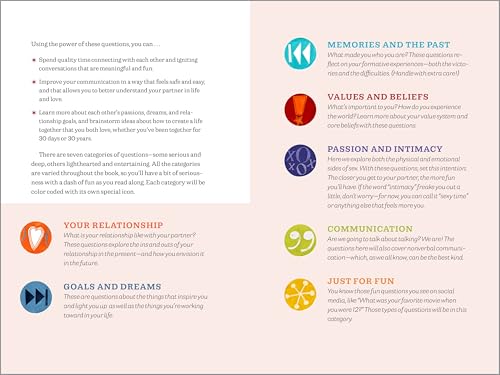
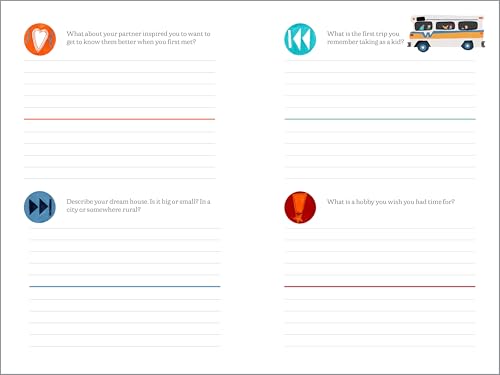
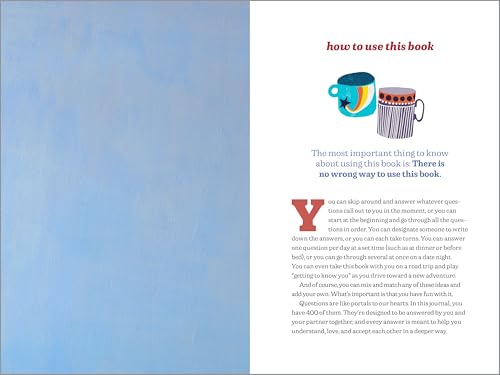
Questions for Couples Journal: 400 Questions to Enjoy, Reflect, and Connect with Your Partner, Grow Closer & Build A Strong Partnership (Relationship Books for Couples)
- Relationships
- Image Unavailable Image not available forColor:
- ALL KINDS OF CONVERSATIONS: Discuss a variety of questions, from your favorite movies and meals to your most i
The Questions for Couples Journal is a low-pressure way to rediscover what you genuinely admire about each other — 400 prompts that move from lighthearted to deeply meaningful.
3. Protect Couple Time Like It's a Non-Negotiable Appointment
Quality time together does not happen accidentally when you have children. You have to schedule it, guard it, and show up for it.
The Gottman Institute recommends a minimum of six hours of intentional connection per week — spread across small daily moments and one longer weekly date. Six hours sounds like a lot until you realise it includes the twenty-minute breakfast you actually talk during, the evening walk, and one proper date night per month.
Age-by-age reality check
Newborn to 12 months: Date nights may be impossible. Prioritise a daily ten-minute check-in after the baby sleeps — no screens, no logistics, just connection.
Toddler and preschool (1–5 years): Energy is low and schedules are unpredictable. A monthly date night with a trusted sitter is realistic and worth the effort.
School age (6–12 years): Kids are more independent at bedtime. Use that window. A weekly thirty-minute ritual after they're in bed — a cup of tea, a show you both love, a walk around the block — counts.
Teenagers (13–17): Ironically, teens need you less in the evenings, which means you have more space. Use it intentionally before it disappears again.
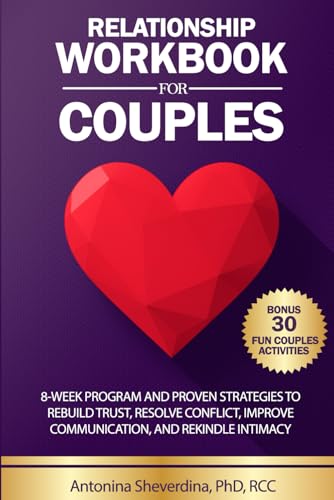
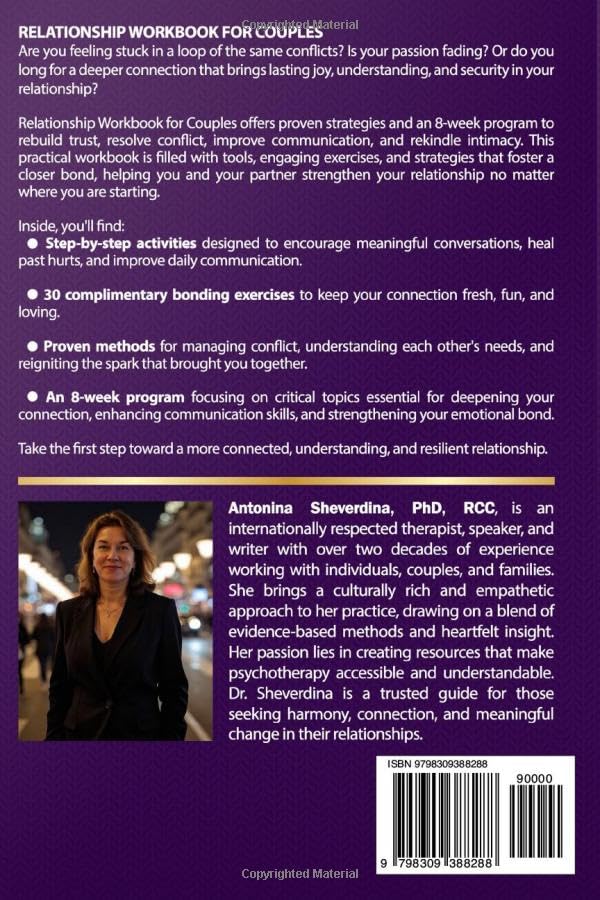
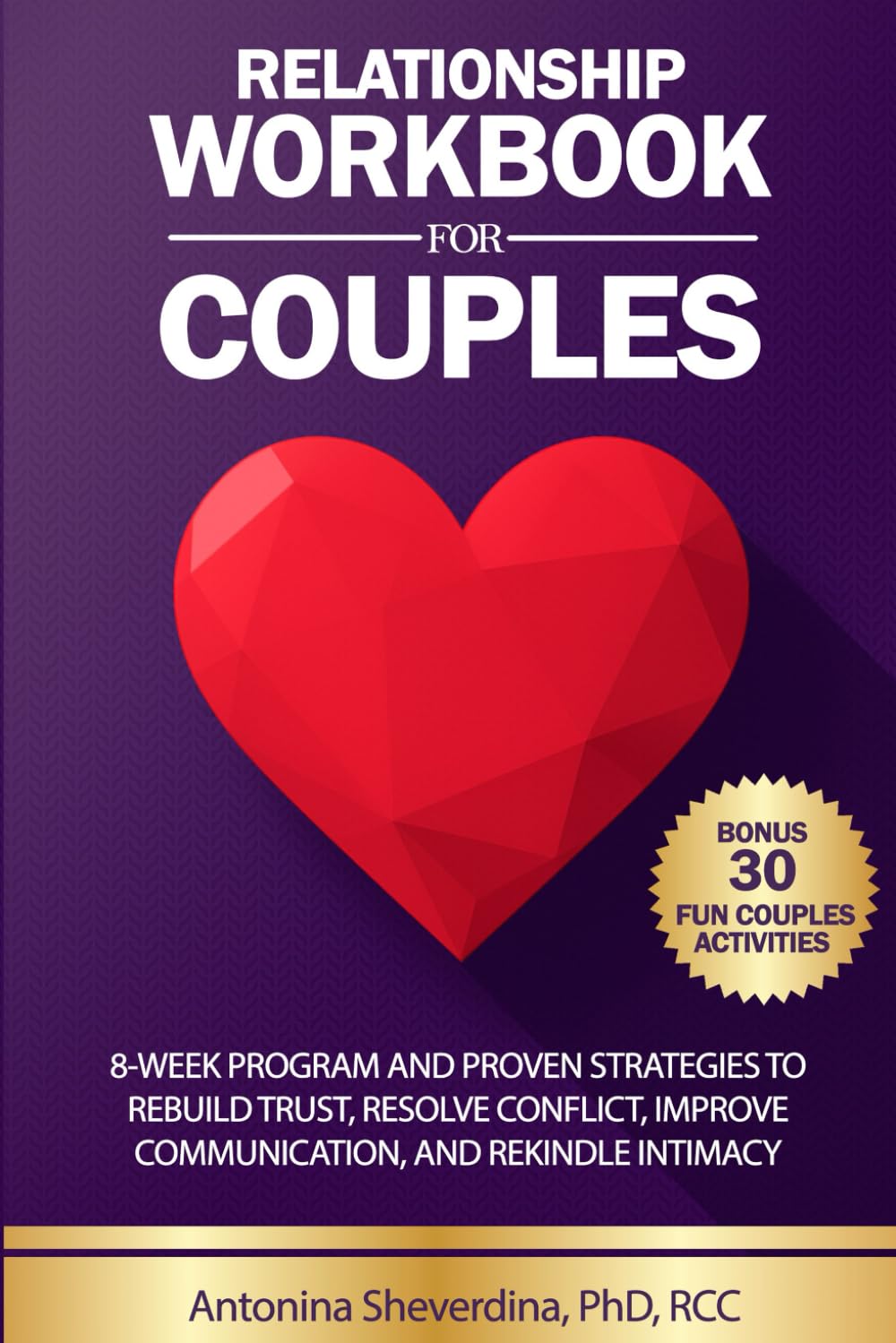
Relationship Workbook for Couples: 8-Week Program and Proven Strategies to Rebuild Trust, Resolve Conflict, Improve Communication, and Rekindle Intimacy
- Relationships
- Interpersonal Relations
- Image Unavailable Image not available forColor:
The Relationship Workbook for Couples includes an eight-week programme with structured weekly activities that work perfectly as guided date-night content.
4. Fight Smarter, Not Less — Healthy Conflict Is a Skill
Conflict is not the enemy of a good marriage. Contempt, stonewalling, and criticism are. The goal is not to stop disagreeing — it is to disagree in ways that leave both of you feeling respected.
The four patterns to avoid (Gottman's "Four Horsemen")
What to do instead
- Use "I" statements: "I feel overwhelmed when the bedtime routine falls entirely on me" rather than "You never help." - Call a time-out if either of you is flooded — twenty minutes minimum, then return. - Agree on a repair phrase your family uses: "I need a reset" works for couples and children alike.


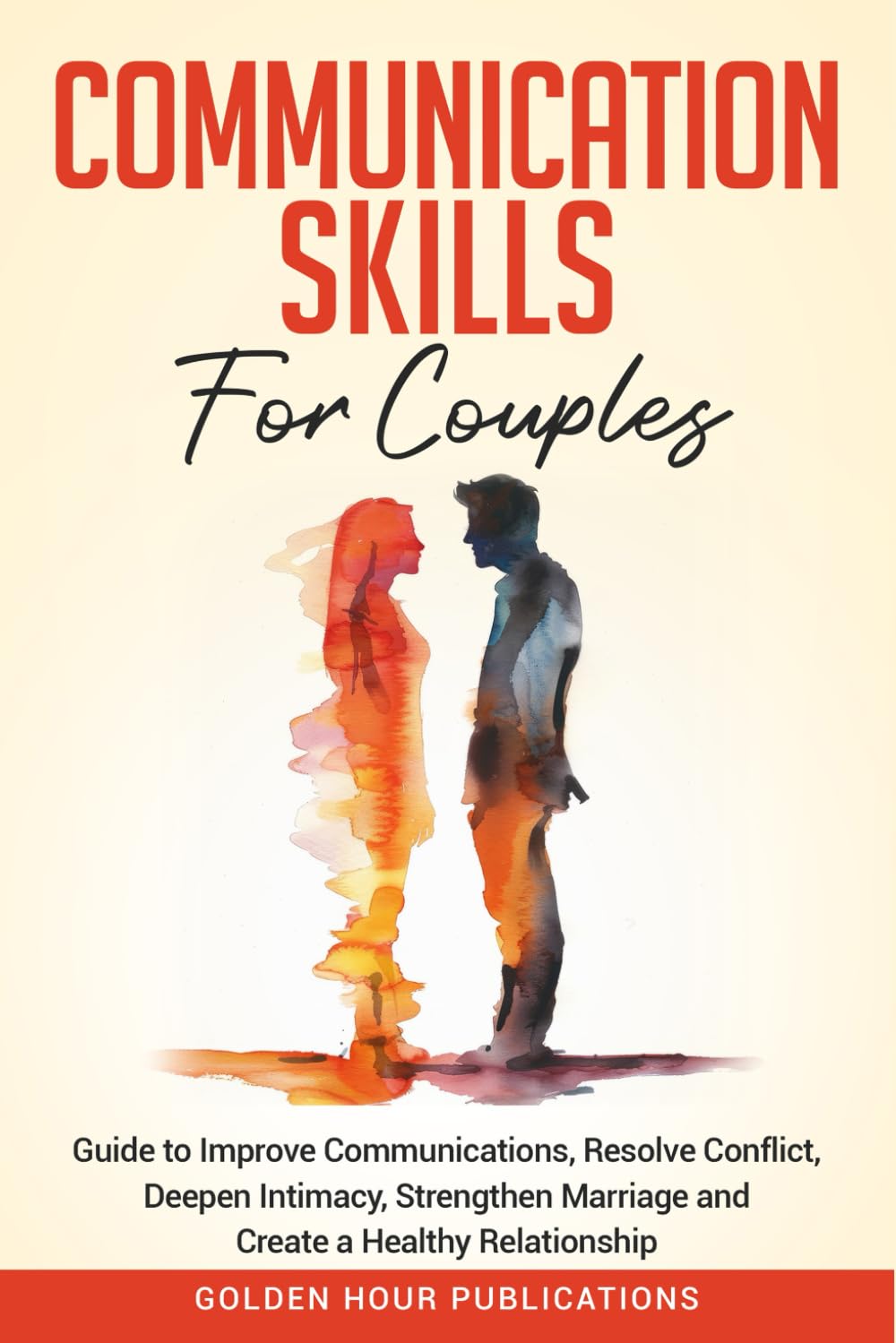
Communication Skills for Couples: Guide to Improve Communications, Resolve Conflict, Deepen Intimacy, Strengthen Marriage and Create a Healthy Relationship
- Health, Fitness & Dieting
- Psychology & Counseling
- Counseling
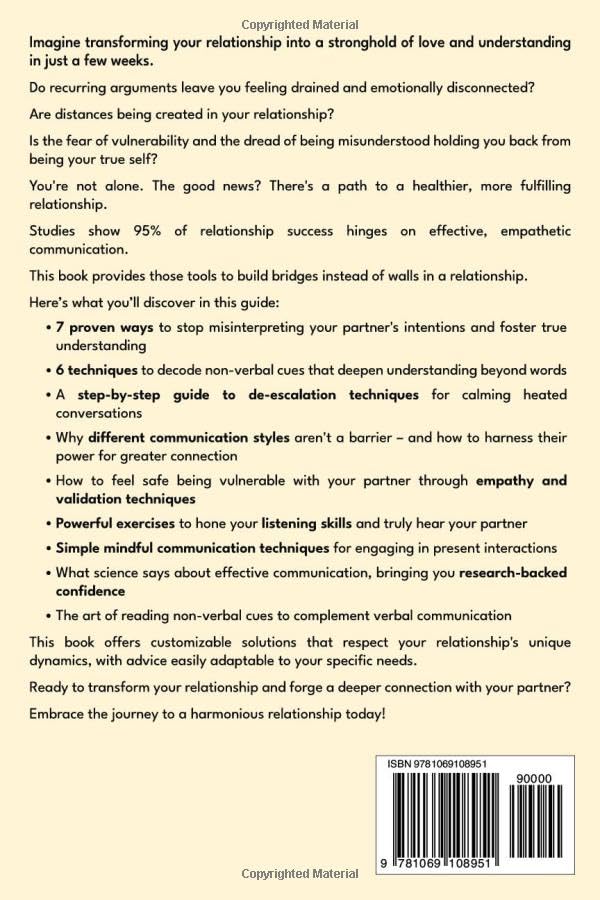
Communication Skills for Couples walks through conflict resolution frameworks in plain language, with practical scripts you can actually use in the moment.
5. Keep Curiosity Alive — Your Spouse Is Still Changing
Long-term partners often stop asking questions because they assume they already know the answers. But people change — their fears, ambitions, preferences, and needs shift, especially through the parenting years.
Relationship researcher Dr. Arthur Aron at Stony Brook University found that couples who regularly engage in novel, challenging activities together report significantly higher marital satisfaction than those who stick to routine. Novelty activates the same neural pathways as early-stage attraction.
Practical novelty on a parent's budget and schedule


The Seven Principles for Making Marriage Work: A Practical Guide from the Country's Foremost Relationship Expert
- Relationships
- Conflict Management
- Image Unavailable Image not available forColor:
Dr. John Gottman's The Seven Principles for Making Marriage Work dedicates an entire section to "love maps" — the practice of staying genuinely curious about your partner's inner world. It remains one of the most evidence-based marriage books available.
6. Give Each Other Space — Individuality Protects the Relationship
A healthy marriage is made of two whole people, not two halves. Protecting each other's individual identity — friendships, hobbies, personal downtime — is not selfish. It is relational maintenance.
Psychologist Dr. Esther Perel, author of Mating in Captivity, argues that desire and long-term intimacy depend on maintaining a degree of separateness. When couples merge completely — especially under the pressure of parenthood — they often report feeling more like co-managers than partners.



The Inner Work of Relationships: An Invitation to Heal Your Inner Child and Create a Conscious Relationship Together
- Relationships
- Image Unavailable Image not available forColor:
- How to recognize dysfunctional relationship patterns and how to resolve them
If either of you finds that old patterns or unresolved personal history keep surfacing in your relationship, The Inner Work of Relationships offers a thoughtful framework for understanding how your inner world shapes your partnership.
7. Be Your Spouse's Teammate — Especially When Parenting Gets Hard
The parenting years are the most common period for couples to shift from partners to parallel operators — each managing their own lane, rarely overlapping. It is efficient. It is also lonely.
Being a true teammate means more than dividing tasks fairly. It means checking in on how your spouse is actually doing, not just whether the logistics are covered.
What spousal support looks like across parenting stages
Newborn stage: Ask "What do you need most right now?" rather than assuming. Postnatal mental health affects up to 1 in 5 mothers and 1 in 10 fathers, according to the Royal College of Psychiatrists.
Toddler and school years: Celebrate small wins out loud. Parenting a young child is relentless and often invisible work.
Teenage years: Parenting teenagers can be isolating. Name it together. You are more likely to stay aligned if you regularly debrief on how you are each finding it.
8. Seek Professional Support Before You Reach a Crisis
Couples counselling works best as a tune-up, not a last resort. The American Association for Marriage and Family Therapy reports that approximately 98% of couples who attend therapy report it as good or excellent, and two-thirds report significant improvement in their relationship.
Waiting until you are in crisis means starting therapy with a much larger deficit to overcome. The couples who benefit most are those who go early — when communication has frayed but trust is still intact.
The Relationship Workbook for Couples and Love More, Fight Less are both structured enough to function as a self-guided pre-therapy or between-sessions resource.
Comparison: Which Habit to Prioritise First?
| Habit | Best Starting Point | Effort Level | Biggest Payoff | Recommended Resource |
|---|---|---|---|---|
| Active Listening | Any stage | Low-Medium | Immediate — partner feels heard | Love More, Fight Less |
| Daily Appreciation | Newborn–School age | Low | Reduces resentment over time | Questions for Couples Journal |
| Scheduled Couple Time | Toddler–Teen | Medium | Protects relationship identity | Relationship Workbook for Couples |
| Healthy Conflict Skills | Any stage | High | Prevents long-term damage | Communication Skills for Couples |
| Staying Curious | School age–Teen | Low-Medium | Reignites connection | The Seven Principles for Making Marriage Work |
| Individual Space | Any stage | Medium | Sustains desire and respect | The Inner Work of Relationships |
| Professional Support | Crisis prevention | Medium | Highest ROI when used early | Relationship Workbook for Couples |
Expert Insights
The Long Game
No one becomes a great spouse overnight, and no marriage runs on autopilot — least of all during the years when children are filling every corner of your life. But the habits in this guide are not grand gestures. They are small, repeatable choices: a genuine thank-you, two minutes of real listening, a date in the diary, a repair after a hard conversation.
The most powerful thing you can model for your children is not a perfect relationship. It is a real one — two people who keep choosing each other, who repair when they break, and who make time for each other even when life makes it inconvenient.
The best gift you can give your children is a strong marriage. Save this article, share it with your spouse, and pick one habit to start today.
Sources & References
- Gottman, J. & Silver, N. The Seven Principles for Making Marriage Work. Harmony Books, 1999 (updated 2015). Gottman Institute research base: gottman.com
- Dew, J. & Wilcox, W.B. "If Momma Ain't Happy: Explaining Declines in Marital Satisfaction Among New Mothers." Journal of Marriage and Family, 2011.
- Aron, A. et al. "Couples' Shared Participation in Novel and Arousing Activities and Experienced Relationship Quality." Journal of Personality and Social Psychology, 2000.
- Perel, E. Mating in Captivity: Unlocking Erotic Intelligence. HarperCollins, 2006.
- Royal College of Psychiatrists. "Postnatal Depression." Patient Information Leaflet, updated 2023. rcpsych.ac.uk
- American Association for Marriage and Family Therapy. "Efficacy of Marital and Family Therapy." Research Summary. aamft.org
- University of Georgia, Allen, E.S. et al. "Satisfaction and Commitment in Marital Relationships." Journal of Family Psychology, 2012.
Frequently Asked Questions
How do I be a better spouse when I'm exhausted from parenting?
How often should couples have a date night?
Is couples counselling only for relationships in trouble?
What is the biggest predictor of divorce, according to research?
How do we stay connected as a couple when our kids are teenagers?
What should I do if my spouse refuses couples counselling?
How does postnatal depression affect a marriage?
Was this helpful?
Thanks — your feedback helps us pick what to write next.